More Than 700 Authentic Goods. Managing a Full Lifecycle Instead of Destruction
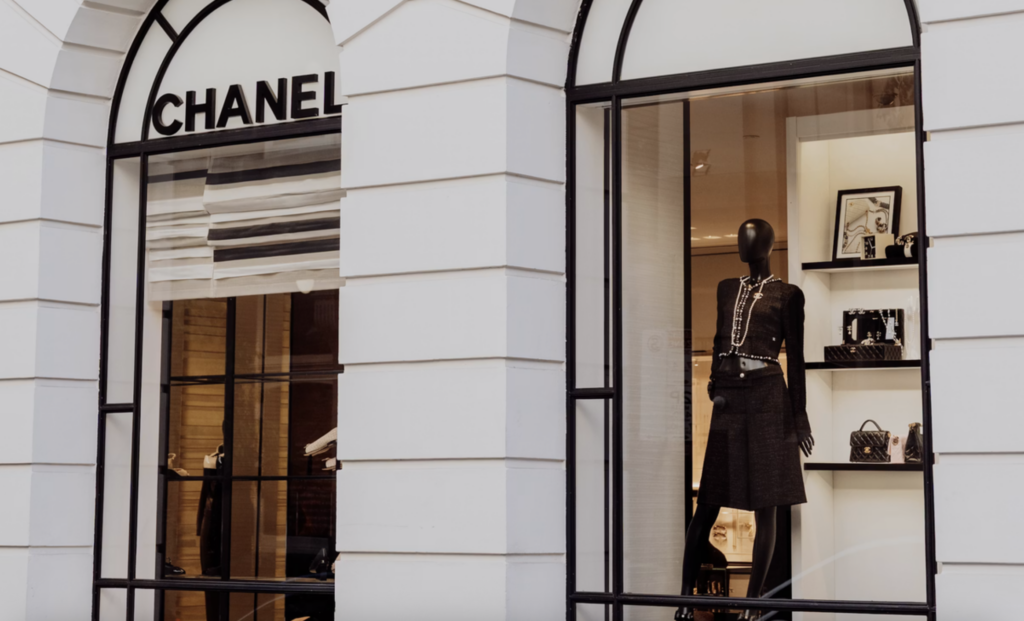
Four former employees of a Chanel warehouse in Hong Kong were sentenced to four to seven years each for attempting to divert more than 700 handbags and wallets slated for destruction. The items had already been pulled from sales strategy, but the market still held demand and price for them. The case shows why luxury brands have destroyed authentic goods to protect scarcity and control over distribution.
The problem is that destruction is no longer easy to sustain as a low-cost solution. Regulation, sustainability demands, and public scrutiny are pressuring the practice of destruction, and brands' point of control is shifting from after production to across the entire product lifecycle. Before production, brands tighten demand forecasting, inventory analysis, and production planning to cut excess stock before it builds up. It is a way of making less of what would eventually need to be destroyed.
After sale, circular management tools such as authentication, warranty, repair, and material recovery come into play. At the same time, lawsuits over unauthorized resale and upcycling are extending scrutiny to the movement of authentic goods themselves. The goal is not only to block counterfeits. It is to manage the lifespan, price, and exposure of authentic products flowing into channels the brand does not want. Rather than simply reducing destruction, this is a strategy that links forecasting, analysis, after-sales service, and legal action to maintain control.

Source · The Fashion Law, "Beyond Product Destruction: Rethinking Luxury’s Brand Protection Playbook"
They Bought 51 Items. 24 Were Counterfeit

Out of 51 suspicious listings purchased and checked directly, 24 were likely counterfeit. That is the conclusion the U.S.-based ITIF reached after buying cosmetics, toys, luxury goods, medicine, and household items from Shein, Temu, and AliExpress. The numbers point to a problem beyond individual rogue sellers. It means brands and enforcement agencies now bear a growing burden to screen product pages and distribution channels before consumers trust the platform enough to pay.
ITIF placed the three platforms on the U.S. Trade Representative's 2025 Notorious Markets List and argued that customs authorities should use artificial intelligence to inspect for counterfeits. The proposal calls for using AI to detect mismatches between suspicious listings and product information. The investigation found that an AliExpress purchase was detained by U.S. customs but never ultimately seized, while suspicious items from Temu and Shein reportedly went undetected altogether. The point is that current enforcement, which relies on people checking every listing the same way, can no longer keep pace with the volume and speed involved.
Source · Fashion Dive, "Shein, Temu and AliExpress should be labeled ‘notorious markets,’ nonprofit says"
Clearance: Checking Similarity Risk Signals Before Publishing
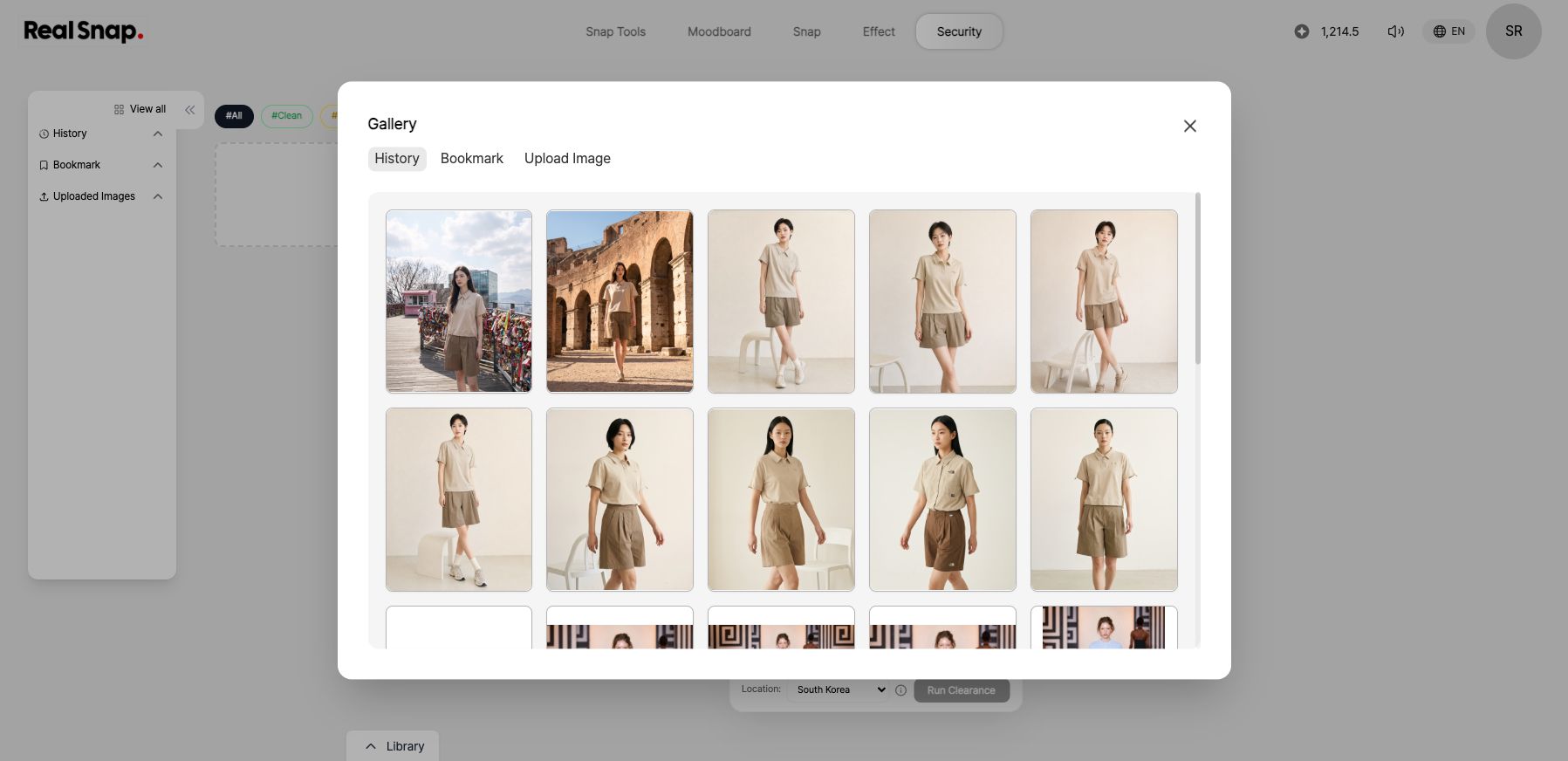
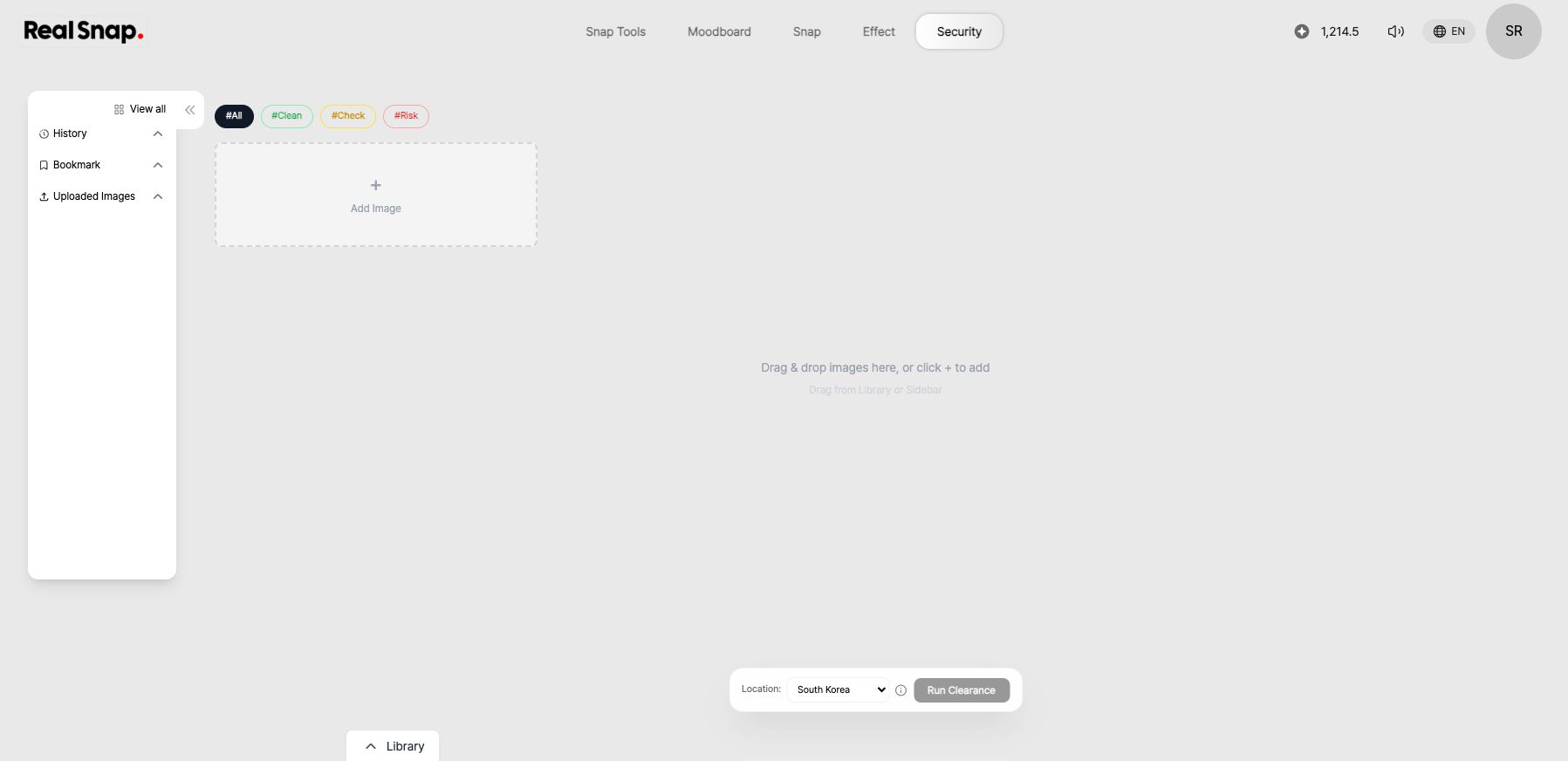
RealSnap's Clearance is a feature that lets brand marketers and content reviewers check the similarity risk of AI images against existing images before publishing. With a flow of selecting the image to inspect and reviewing the analysis results, it can reduce the burden of organizing separate files for review.
Instead of repeating external searches and manual comparisons for every image, it can first flag drafts with risk signals, narrowing the scope of what needs revision review. This is especially suited as a pre-check process for small brands that manage many product images or have limited staff for photography and content production.