260,000 to 590,000 tons a year: clothes discarded before they were ever sold
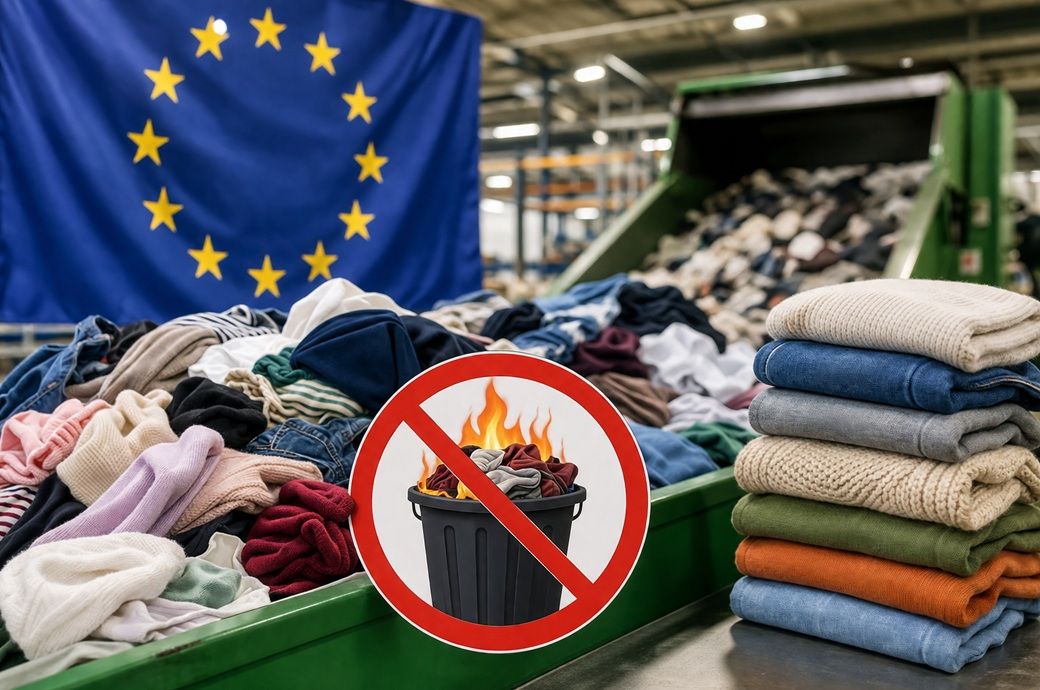
Starting July 19, large companies in the European Union (EU) may no longer destroy unsold clothing, accessories, or footwear. According to estimates from the European Environment Agency, 4–9% of textile products circulating in the EU market—264,000 to 594,000 tons a year—have been discarded before ever reaching consumers. These are garments that were made, never worn, and then disappeared.
The ban is considered the first concrete implementation measure under the Ecodesign for Sustainable Products Regulation (ESPR), which took effect in 2024. Instead of destroying products, companies subject to the rule must keep them in circulation through resale, including discounted sales; donations to charities or social enterprises; repair, refurbishment, and remanufacturing, in that order. Medium-sized companies will be subject to the same regulation from 2030, while small businesses and microenterprises are excluded from this rule.
Destruction is permitted only in narrowly defined cases, such as products with safety defects, damaged goods, counterfeit items, or goods that charities have refused to accept. Even then, companies must follow the waste-treatment hierarchy, prioritizing recycling. Companies applying an exemption must submit supporting documentation and annual reports, and may face fines from national authorities in the event of violations. Relevant records must be kept for five years in preparation for inspections by supervisory authorities.
Source · Fibre2Fashion, "EU bans destruction of unsold clothes, footwear from July 19"
Yohji Yamamoto reveals his private sketches for the first time
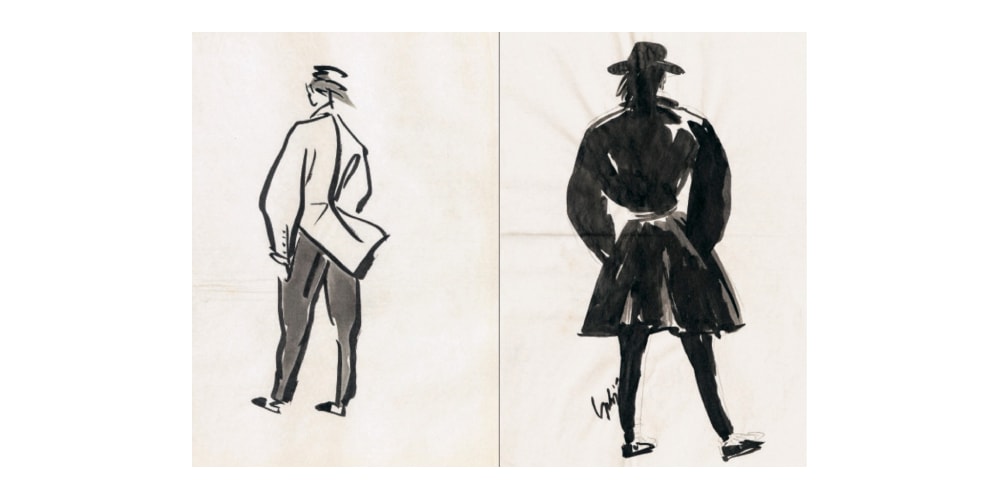
Yohji Yamamoto is even revealing sketches he drew on newspaper. His first hardcover drawing book, 'Yohji Yamamoto Drawings,' featuring images selected by Yamamoto himself, will be published by Thames & Hudson on November 17. A private sketchbook that has never been formally introduced in print is taking the form of a book for the first time.
The book features text by Palais Galliera curator Alexandre Samson and editorial design by graphic designer Peter Saville. It includes sketches of men’s and women’s clothing drawn on various kinds of paper, including newspaper, offering an unfiltered view of Yamamoto’s creative process before the finished collections emerged. Early ideas for silhouettes—burning coats, crouching figures, elegant dresses—are revealed directly through his hand.
Samson previously curated exhibitions on Martin Margiela and Rick Owens. Yamamoto, who opened a store in Paris in 1981 and brought the language of black, asymmetry, and intentional imperfection into European fashion, is now presenting his sketches for the first time not as finished products but as handwritten records. Ahead of its November release, the book is available for preorder through W. W. Norton, Amazon, and Barnes & Noble.
Source · Hypebeast, "Yohji Yamamoto Opens His Private Sketchbook in a First-Ever Thames & Hudson 'Drawings' Book"
A moodboard that connects reference gathering and draft generation on one canvas
RealSnap’s Moodboard is a feature for people planning seasonal concepts to gather reference images and text on a single canvas and organize a visual direction. Instead of separately compiling references with different tones—such as daily, runway, or lookbook—sharing them in meetings, and then transcribing the discussion into a shoot brief, the board itself becomes the input for generating drafts later.
Designed for people such as lookbook designers or brand marketers who need to move between multiple moods early in the season and narrow down a direction, the feature reduces the back-and-forth between organizing references and reviewing drafts.
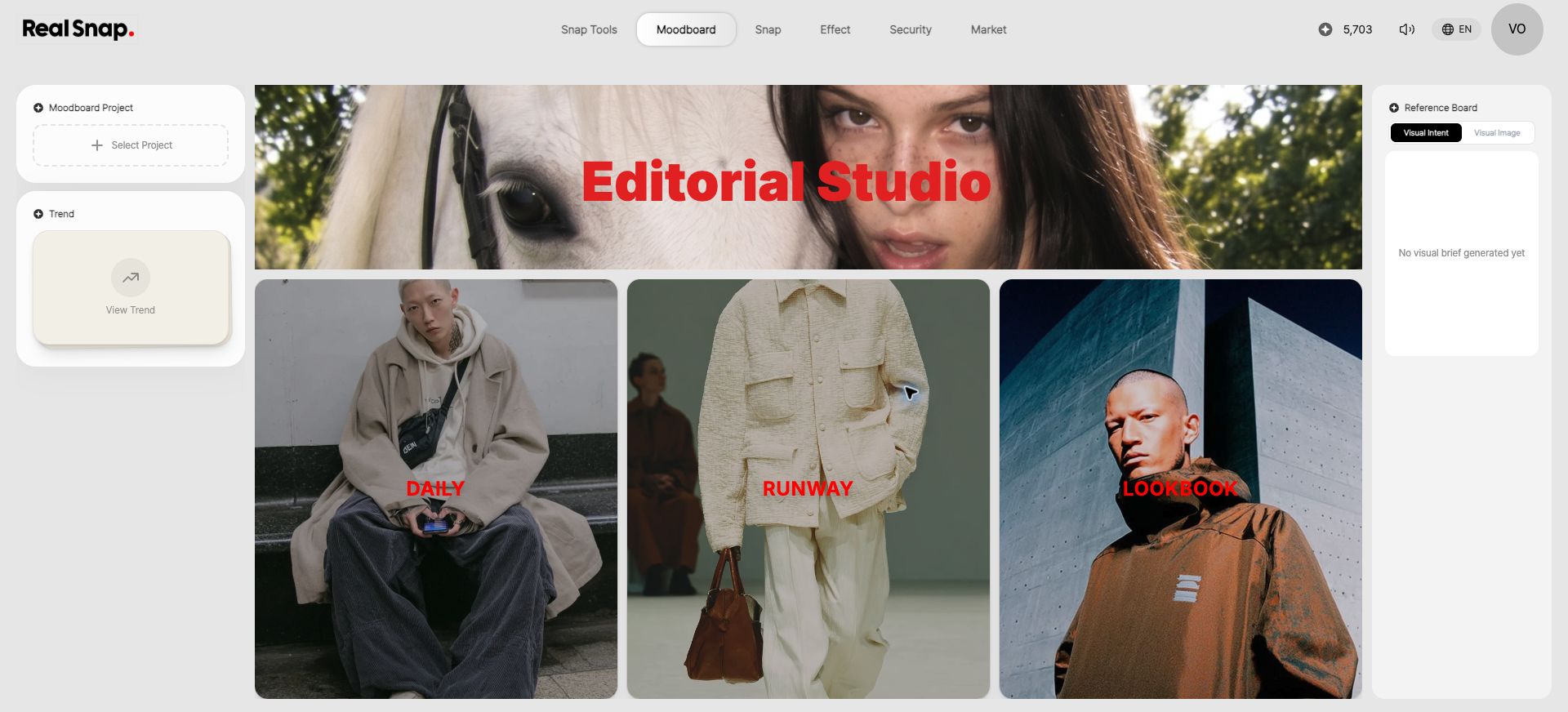
On the left side of the screen, you can choose a moodboard project and check trends, while the center displays different types of references—daily, runway, and lookbook—side by side so you can move between multiple moods on one screen. The reference board on the right is still empty; once you add materials to the Visual Intent and Visual Image tabs, that content becomes the basis for subsequent image generation.
For teams that need to compare multiple concepts each season—such as daily, runway, and lookbook directions—and set a direction, especially small brands that want to quickly review drafts without using a separate collaboration tool, starting by filling a reference board in RealSnap Moodboard is worth considering.