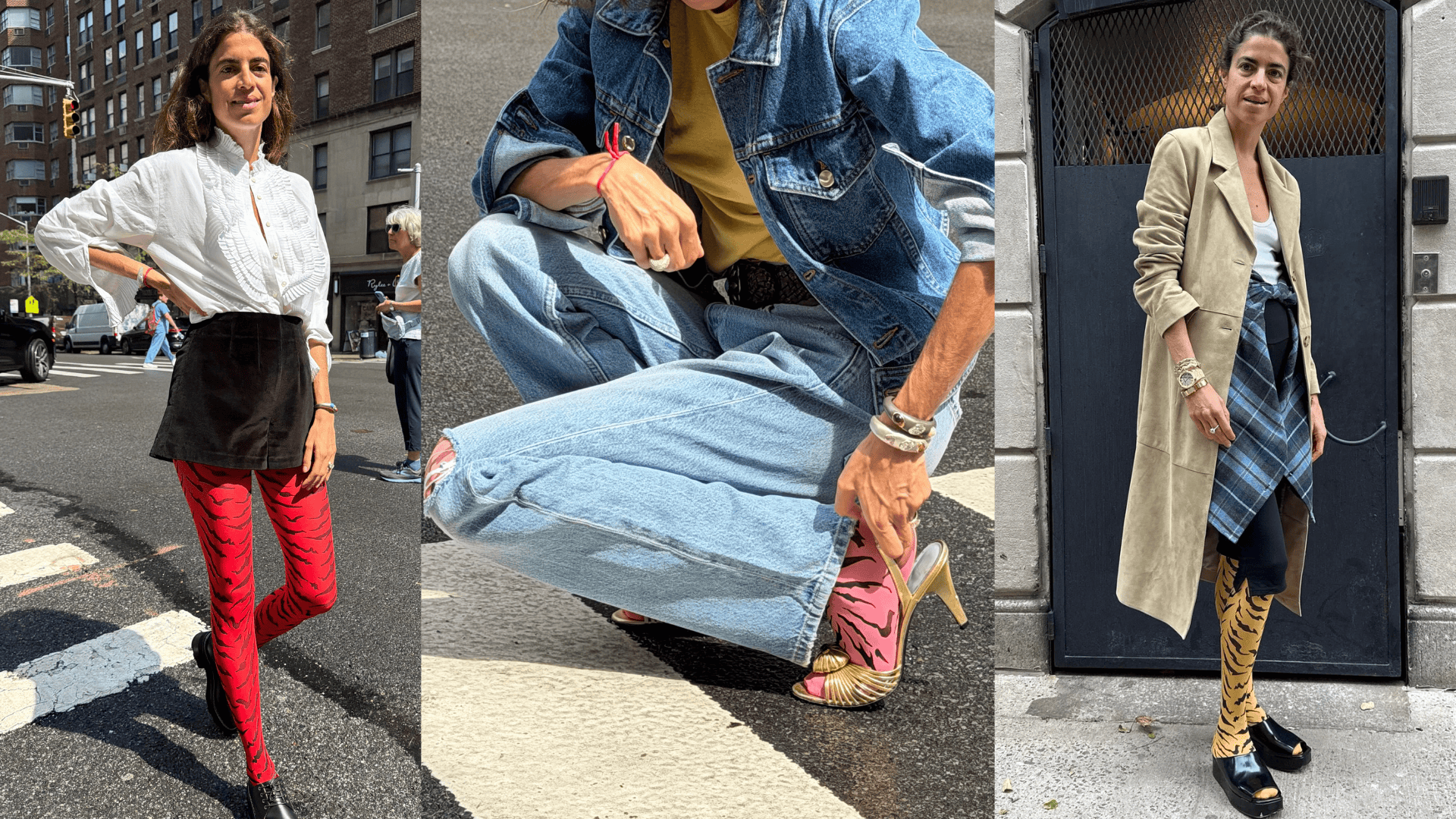
Exposure up 344%, adoption up 2%. The runway is not demand
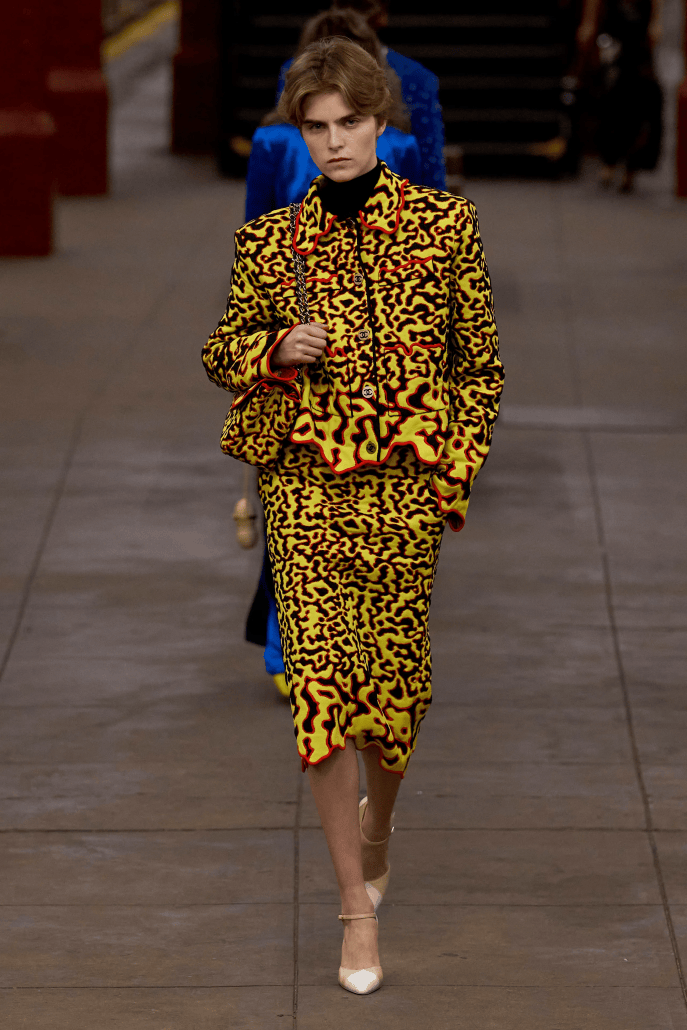
Square-toe pumps saw their runway exposure jump 344% at New York Fashion Week SS'27, yet the forecast for global consumer adoption rose only 2%. In a contributed article, Heuritech pointed out that what stands out on the runway is a different matter from what consumers actually choose. Fashion week releases hundreds of creative ideas within a few weeks, but visibility alone does not create a trend.
Heuritech explains that a real trend passes through three stages. Creative proposals from designers and collections come first. When they repeat across multiple designers, shows, and fashion discourse, they become an industry signal. They become a consumer trend only once they gain measurable adoption among consumers. That several brands show the same silhouette does not mean consumers are ready to wear it.
Fringe is a counterexample. At New York Fashion Week SS'27, fringe's runway exposure grew 23%, and the SS'27 adoption forecast among EU women consumers was 18%, much closer to the exposure growth. Because fashion media focus on looks with strong visual impact, bold styling can receive wide coverage without translating into actual adoption. Also, by the time a trend becomes clear to everyone, it may already be near its peak, so for brands that move months ahead, reacting to what is most visible today can mean responding late. Heuritech advises that buyers and collection teams treat runway trends as hypotheses to be tested, not as instructions to follow.
Source · Heuritech, "From Runway to Demand: How Designer Fashion Trends Become Demand"
Trend forecasting moves from reports into systems
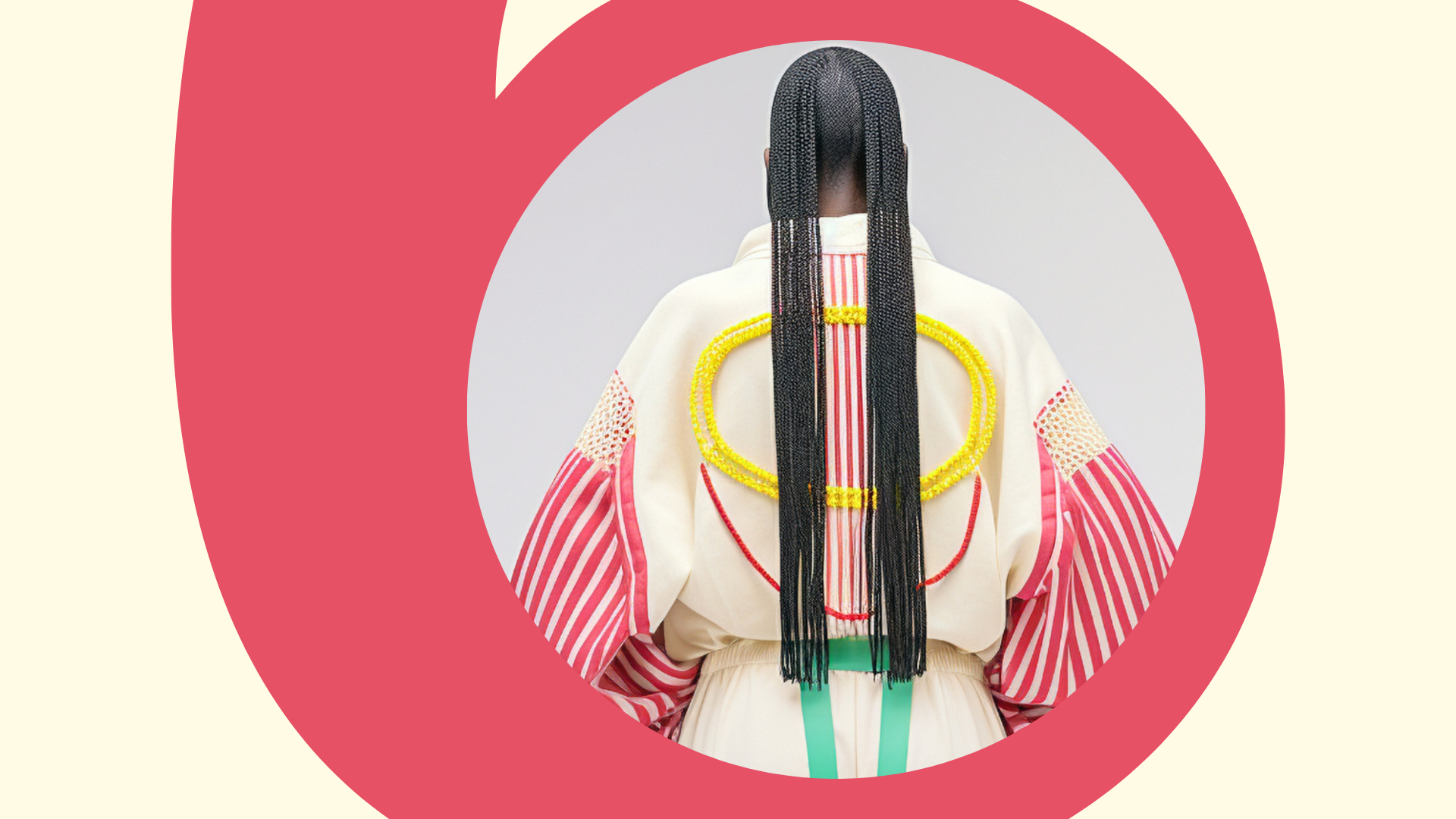
In a contributed article for The Interline's AI Report 2026, an author from WGSN argued that AI amplifies trend forecasting rather than replacing it. The global team the author leads has spent 25 years building proprietary trend intelligence on the colors, silhouettes, scent notes, aesthetics, and mindsets consumers will want. The article takes the view that AI helps put this accumulated, validated data to use faster, in finer detail, and more broadly.
The key change is in how the intelligence is delivered. In the past, trend intelligence was consumed only through reports, seasonal presentations, and conversations with creative directors. Now it can be delivered as structured data and fed directly into the systems where decisions actually happen, such as merchandising platforms, AI assistants, and recommendation engines. The intelligence itself is the same, the article explains, but where and how fast it can be used has expanded greatly.
The examples the author gives are concrete. A merchandiser in Dallas gets an answer within seconds based on 25 years of forecast accuracy, a product developer in Singapore checks a scent concept against trend trajectories before it goes into tooling, and a buyer in Paris re-examines a color palette. The author called this the most exciting moment in trend forecasting in a generation. However, the piece should be read with the understanding that it is a contributed article in which a WGSN author describes the company's own approach.
Source · The Interline, "Trend Forecasting In The Age Of AI: Amplification, Impact & Decision Success"
Moodboard. Gather references for candidate silhouettes on a canvas and compare them as drafts
RealSnap's Moodboard is a feature that gathers reference images and text on a single mood canvas to organize a visual direction, then generates images based on that board. If you group references by each silhouette or styling candidate you want to test during seasonal planning, you can view the visuals each hypothesis produces side by side.
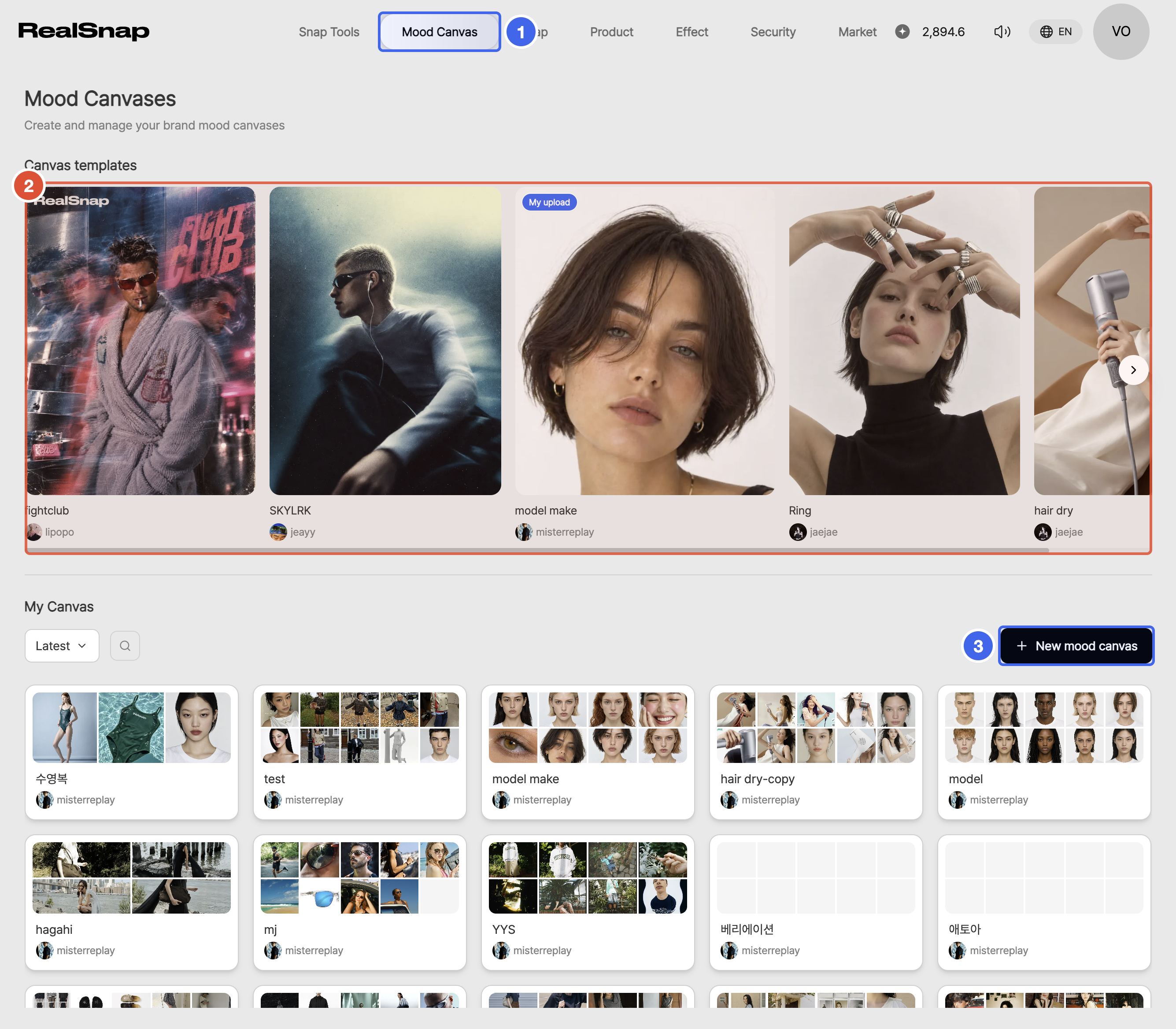
You can start from an existing template, or begin a new board for each candidate with a blank canvas.
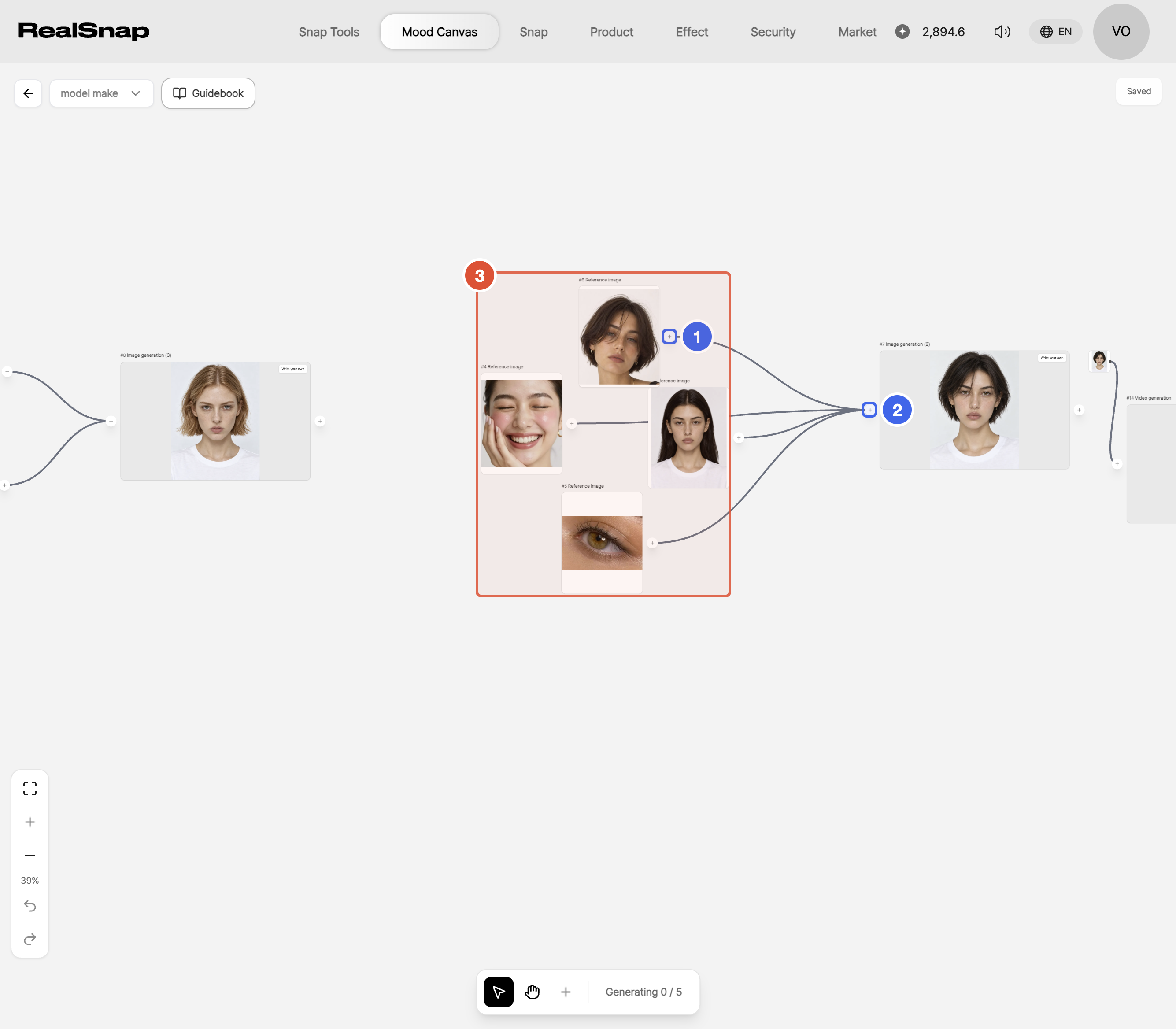
You can group several references into a single generation card and use them as the base images for a draft.
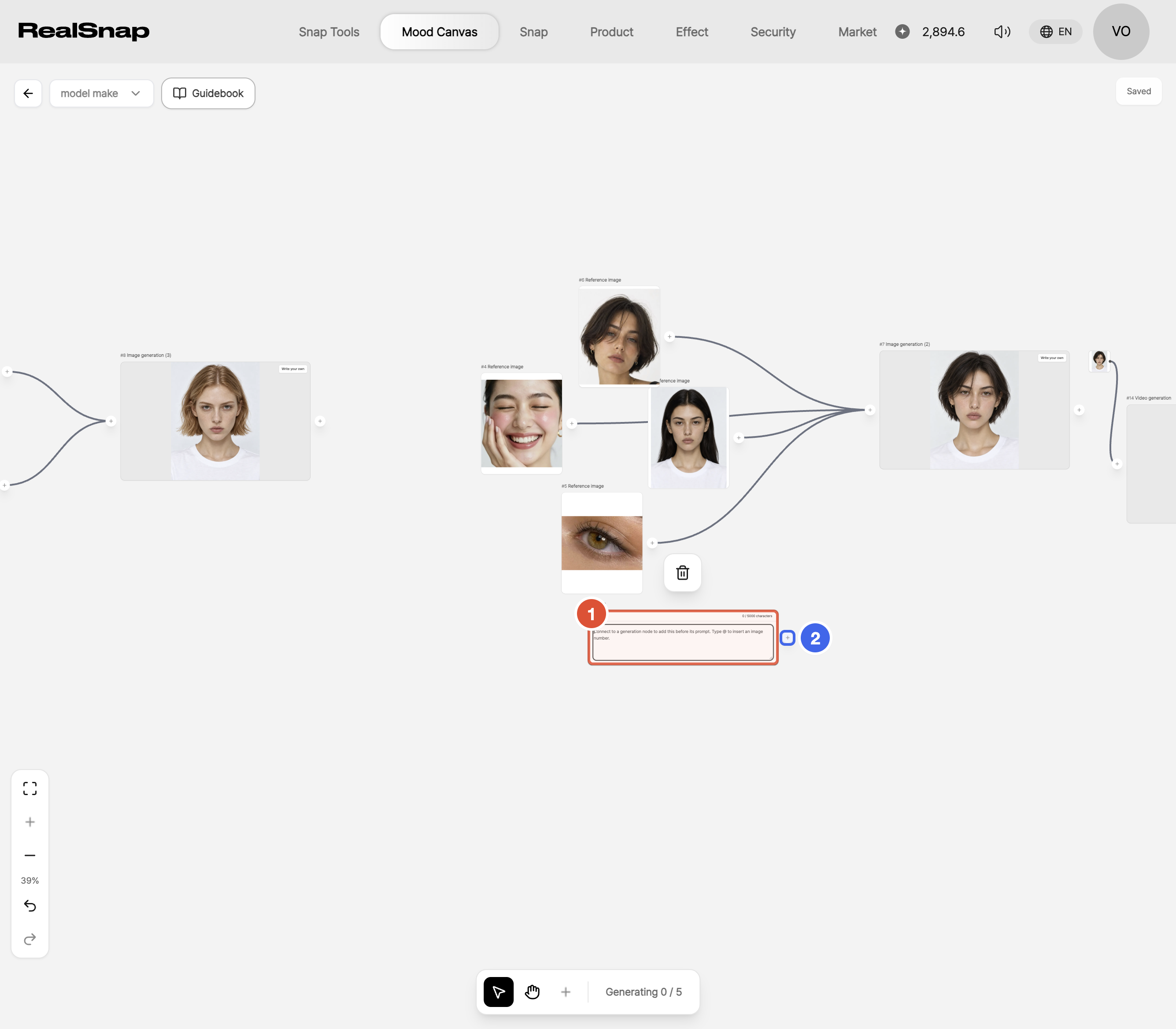
For intentions that are hard to convey with images alone, you can add instructions so they are reflected along with the references.
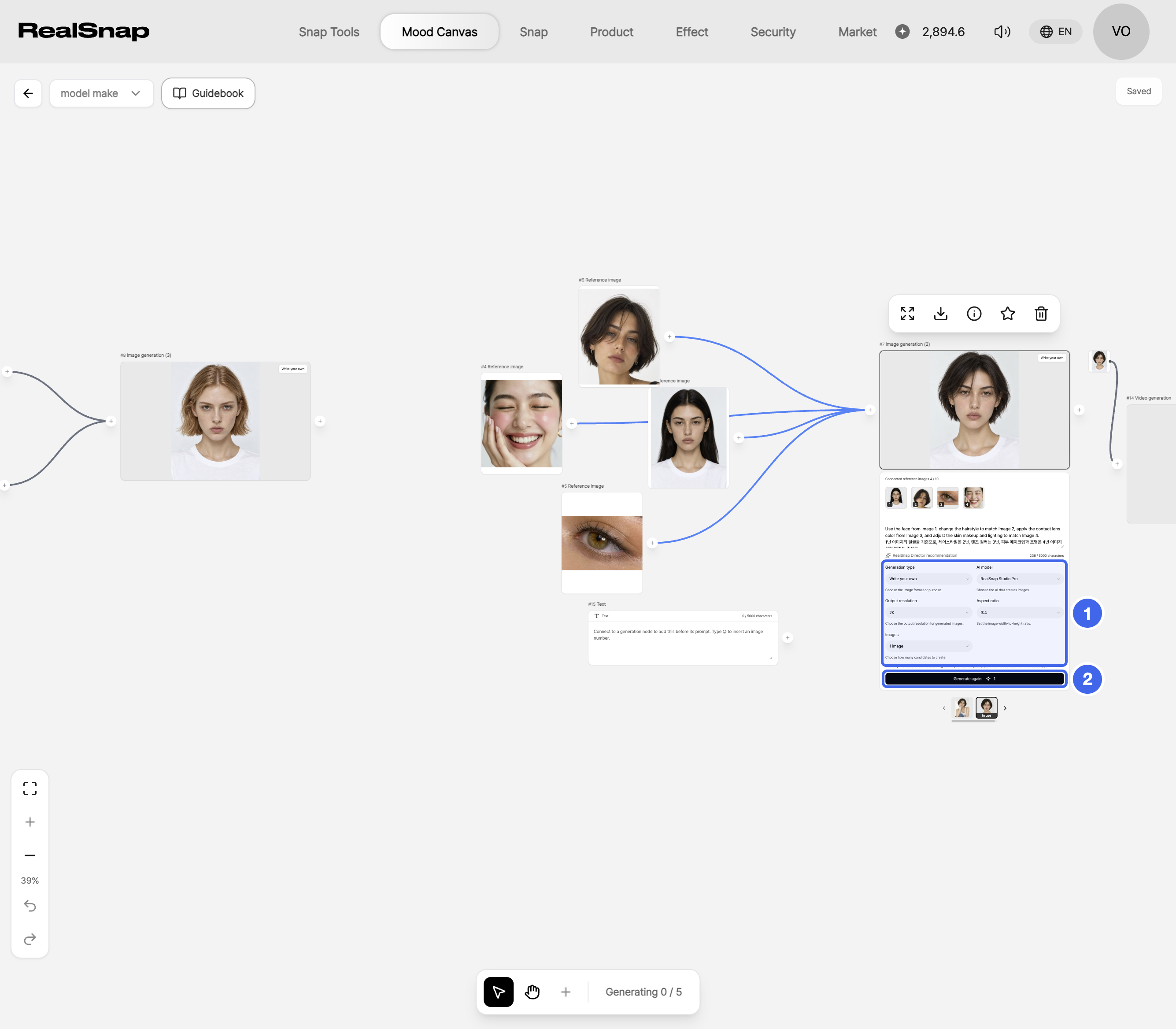
After setting the output conditions to fit how the result will be used, you can generate drafts repeatedly on the same board.
In RealSnap's Moodboard, you can create a separate canvas for each candidate silhouette with its own references and instructions, then compare the drafts side by side. This may help you organize hypothesis visuals to bring to a seasonal concept meeting.