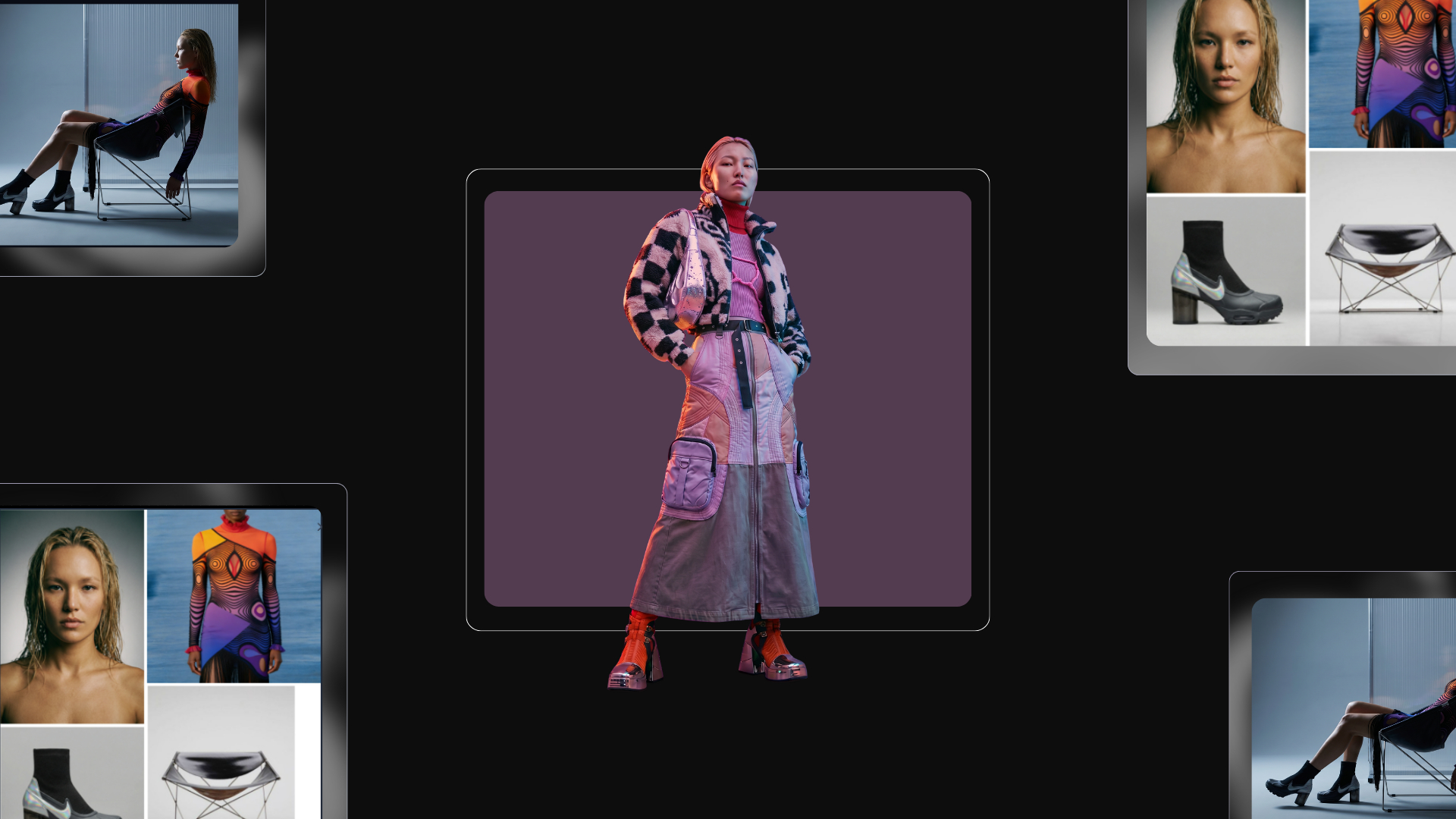
Zara brought in Galliano, Gap invested in GapStudio. Brands pursuing a premium strategy have double the MIV
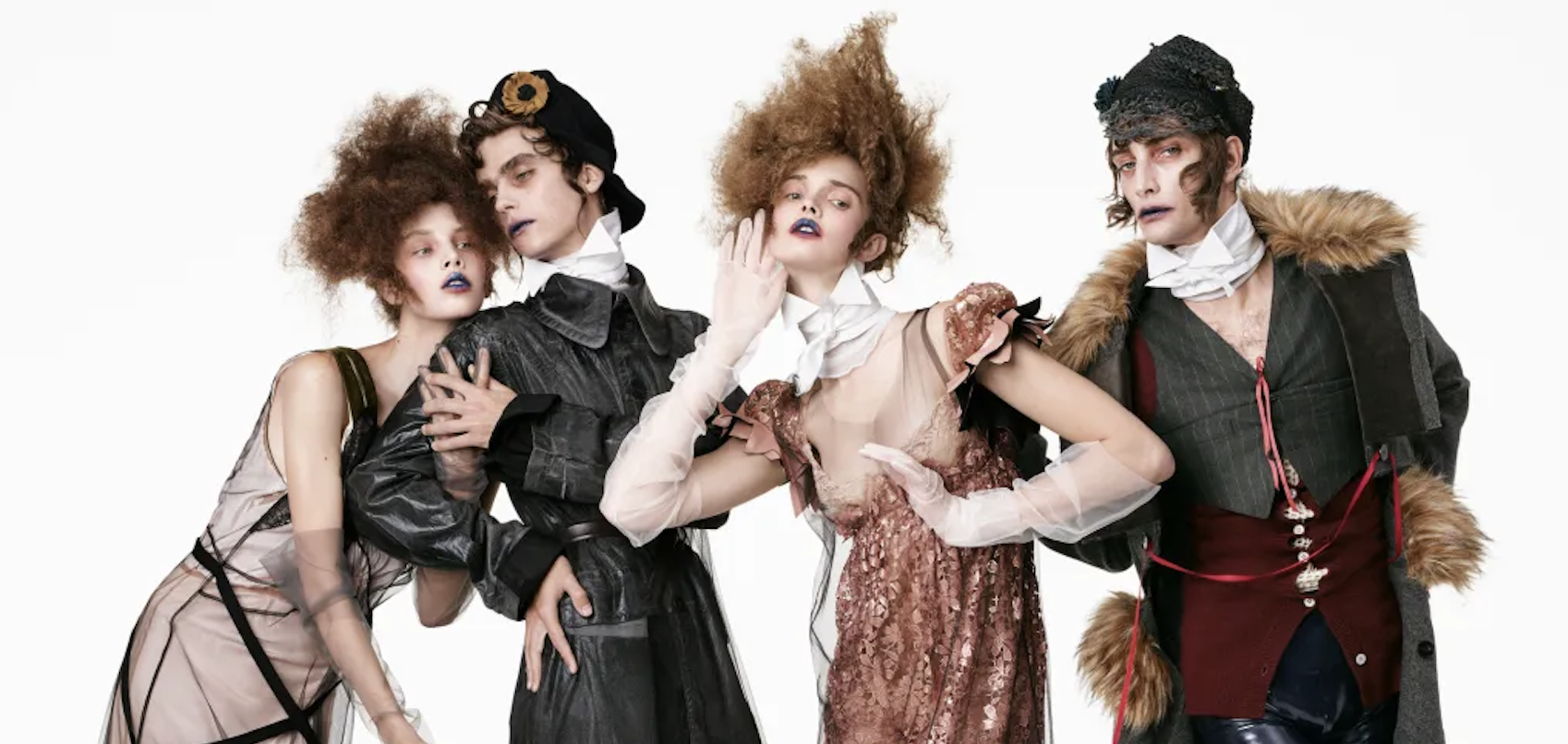
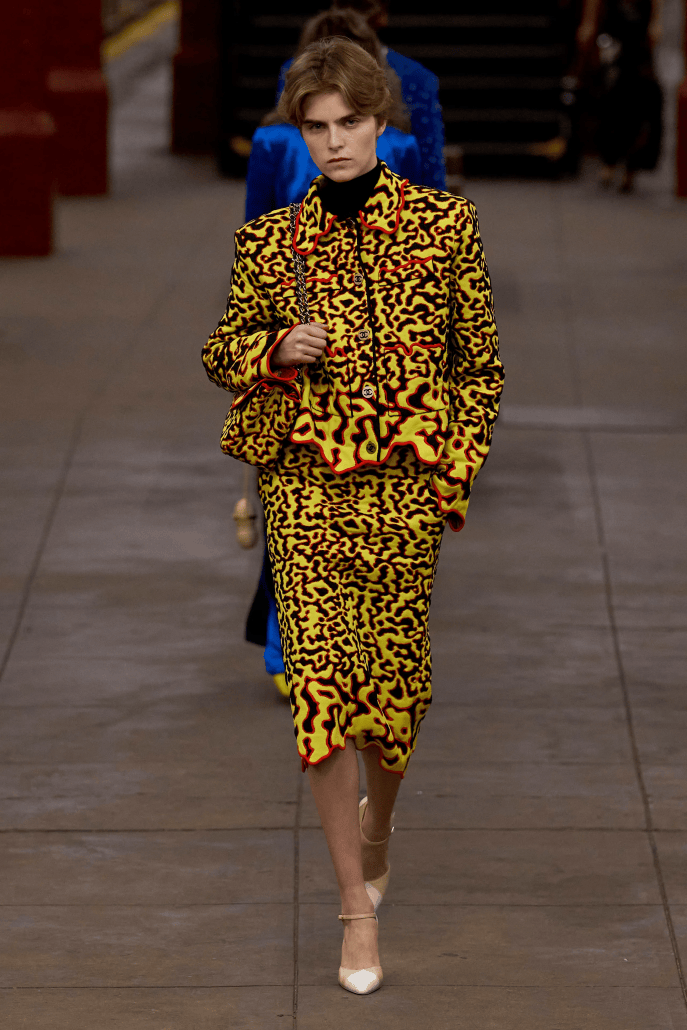
The first Zara collection designed by John Galliano launched on October 1. A mass-market brand has managed to bring on a designer once seen as the preserve of luxury houses. Gap is following the same path with its investment in GapStudio. Glossy presented the two cases as ways in which mass-market brands build fashion credibility.
The effect of this strategy shows up in the numbers. The Desirability Gap, a report Launchmetrics released on Wednesday, analyzed the top 50 mass-market fashion brands by MIV (Launchmetrics' brand performance metric) from January 2025 to June 2026. Brands that used premium strategies such as designer collaborations, creative appointments, ambassador partnerships, and participation in major cultural events had an average MIV twice that of brands that did not.
The remaining challenge is sustaining this interest. The attention that gathers right after a collaboration launch can end up as a one-season talking point. Ultimately, what matters is not the response in the first week after launch but how much attention a brand can hold over the following months. The Zara and Gap cases suggest that collaborations and investments should not stay one-off events but become part of long-term brand operations.
Source · Glossy, "Zara and Gap are borrowing luxury’s playbook. Can they keep the attention?"
As rush alteration orders doubled, David's Bridal decided to guarantee the fit

David's Bridal found late last year that rush alteration orders had doubled. CEO Kelly Cook explained it as customers who are taking GLP-1 weight-loss drugs or dieting rushing to take in their dresses just before an event. Rush orders show that changes in size appear first at the alteration counter. The company's research found that the average dress size was falling quickly from the previous 12-14 to 6-8 or 8-10.
This spring, the company introduced a Fit Guarantee policy that guarantees fit under any circumstances. It applies not only to its own products but to gowns bought anywhere, including department stores and small boutiques. At a time when size changes lead to returns and alteration burdens, the company chose to take responsibility for fit regardless of where the gown was purchased. While some wedding retailers have responded in a confused way by asking customers to sign weight-loss waivers (liability disclaimers), this policy emerged as an alternative to that practice.
The market size lies behind this. Coresight Research expects the GLP-1 market to grow from $42.6 billion (about 60 trillion won) in 2024 to $137 billion (about 190 trillion won) by 2030. In a Gallup survey in September, 11% of US adults said they were taking a GLP-1 for weight loss, up from 3% two years earlier. The article reports that retailers are reconfiguring stores and filling endcaps (displays at the end of an aisle) with products tailored to GLP-1 users, and that the impact is most visible in apparel.
Source · Retail Dive, "How GLP-1 users are forcing retailers to rethink everything"
RealSnap Change Clothing Shape Only: Compare the fit and silhouette of the same garment
RealSnap's Change Clothing Shape Only keeps a garment's color and material as they are and changes only its fit and silhouette. It is a Snap Tools feature. For fashion visual creators who want to show the same product in oversized and slim fits side by side, it lets them test mockups that compare fit differences without reshooting the product.
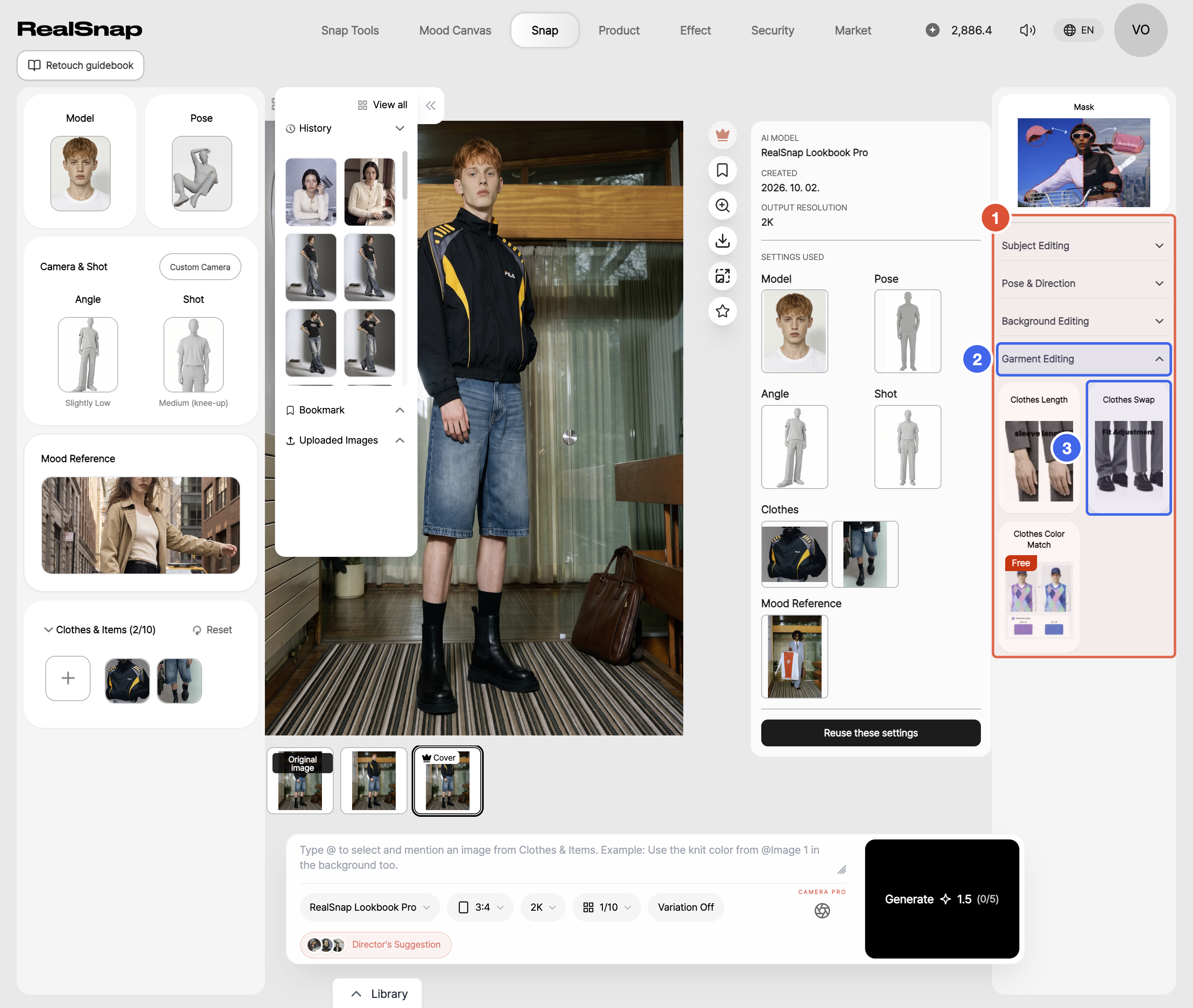
From a generated outfit shot, you can jump straight to the outfit swap window and continue working from the same image.
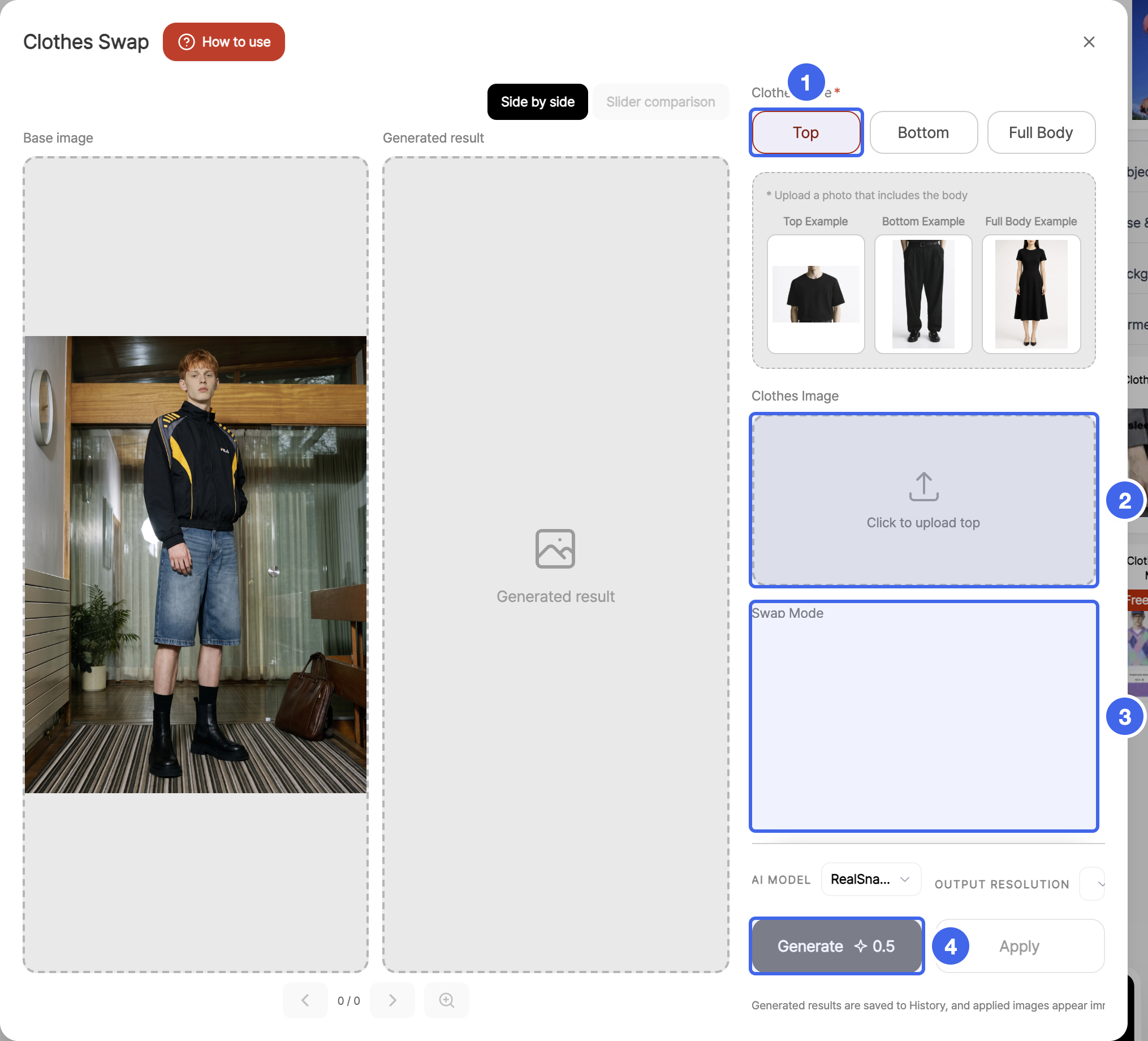
The screen places the original image and the generated result side by side on the left, so you can specify only the area to change and compare how the fit differs.
With RealSnap's Change Clothing Shape Only, you could take an existing outfit shot, pick the top or bottom, create versions with a different fit, and place them side by side with the original.