1.27 Million Views Without Reshooting Every Combination

Ustyle's styling engine has logged more than 1.27 million outfit views. The core of that performance is not shooting new lookbooks continuously. It lies in combining a brand's existing product catalog per customer into complete, shoppable outfits made of items that can be bought immediately.
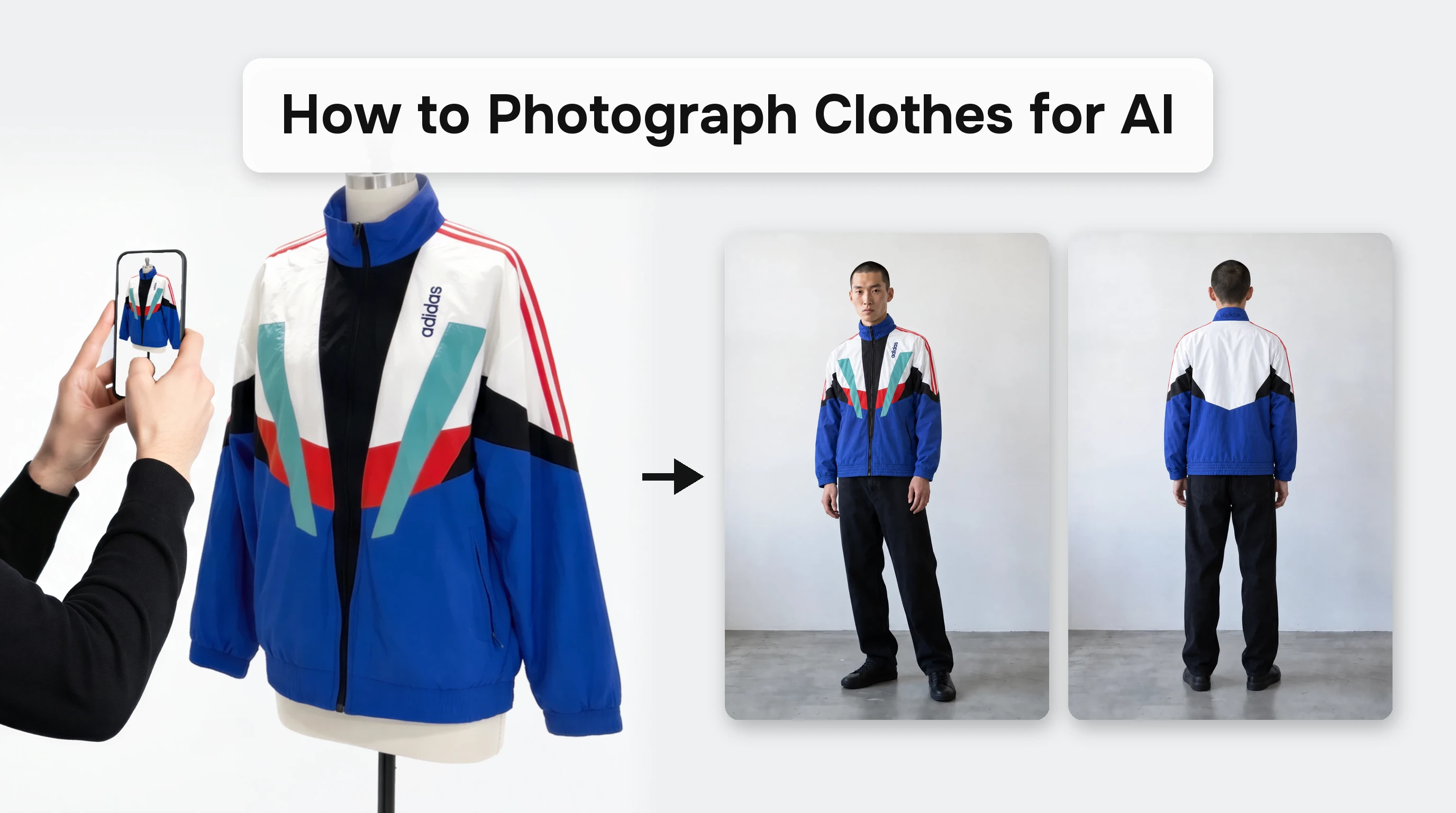
Italian AI startup Ustyle processes each product once and then applies actual product images onto an AI model. Showing every combination of tops, bottoms, and accessories on an online store normally requires a separate shoot for each combination, but this method assembles fitted looks from within the catalog. What shrinks is the burden of reshooting for every combination, and the result is a personalized, shoppable outfit.
An early customer, Turin-based leather brand Mialuis, attributed 33% of its total revenue during a 60-day pilot to this engine. Instead of the conventional 'new arrivals'-centered suggestions, it reflected context, styling logic, and user preferences, and was attached to the e-commerce site as a lightweight plugin. About a quarter of that revenue received an attribution score of 80 to 100. It is a case where recommendations were actually used in the purchase process while lowering the burden of shooting each combination.

Source · Sourcing Journal, "Some AI Recommend A Piece of Garment. This Picks Out Entire Outfits."
30% Faster Still Doesn't Decide What Faces the Customer

97% of marketing leaders use AI daily, but what to actually put in front of customers remains a separate judgment call. In a Gartner survey, 49% of US consumers said AI has worsened content quality, rising to 57% among Gen Z and millennials.
Many brands apply AI to production efficiency first. Unilever's AI Studio made asset production 30% faster than conventional methods, and Hilton used Meta and AI image-to-video tools to avoid reshoot costs across 700 properties, recording a 42% increase in reach, a 13% increase in bookings, and 8% ROAS.
However, efficiency does not automatically mean an expanded scope of what gets published. Koia used unrealistic CGI that visibly reads as AI for a Costco protein powder launch, gaining 48,000 organic views and 6.4 times the views of its usual reels, but Goodwipes, unlike its static AI character images, does not use AI actors. Premium brand Gozney confines AI to draft work rather than customer-facing content. The common standard is using AI to refine rather than replace human creativity, while people continue to safeguard the brand's voice and storytelling.
Source · Modern Retail, "The new AI playbook: The rules brands are setting around customer-facing content"
Reviewing combination-based outfit drafts in one flow with Lookbook Snap
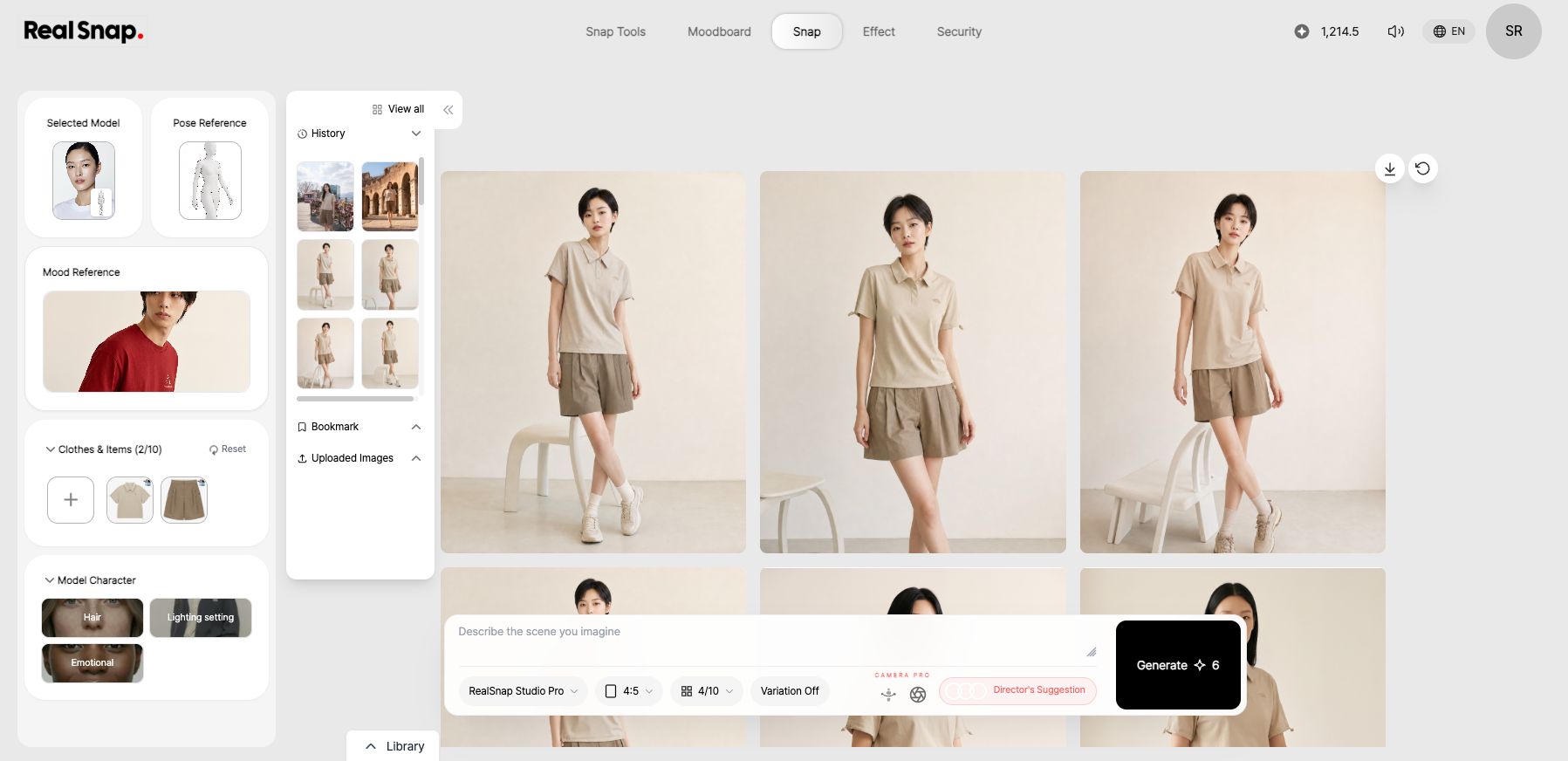
RealSnap's Lookbook Snap is a feature that lets online store detail-page staff or brand marketers combine clothing photos with AI models, poses, and moods to create worn lookbook shots. It focuses on reducing the burden of re-preparing models and shoots for every product combination.
Since model, pose, and mood selection through clothing composition and result comparison all flow within a single workflow, it can reduce the effort of separately preparing and collecting shoot footage when reviewing multiple outfit drafts for seasonal products.