Fashion AI Excels at the Start and the End, So Why Does the Middle Still Fall Short?
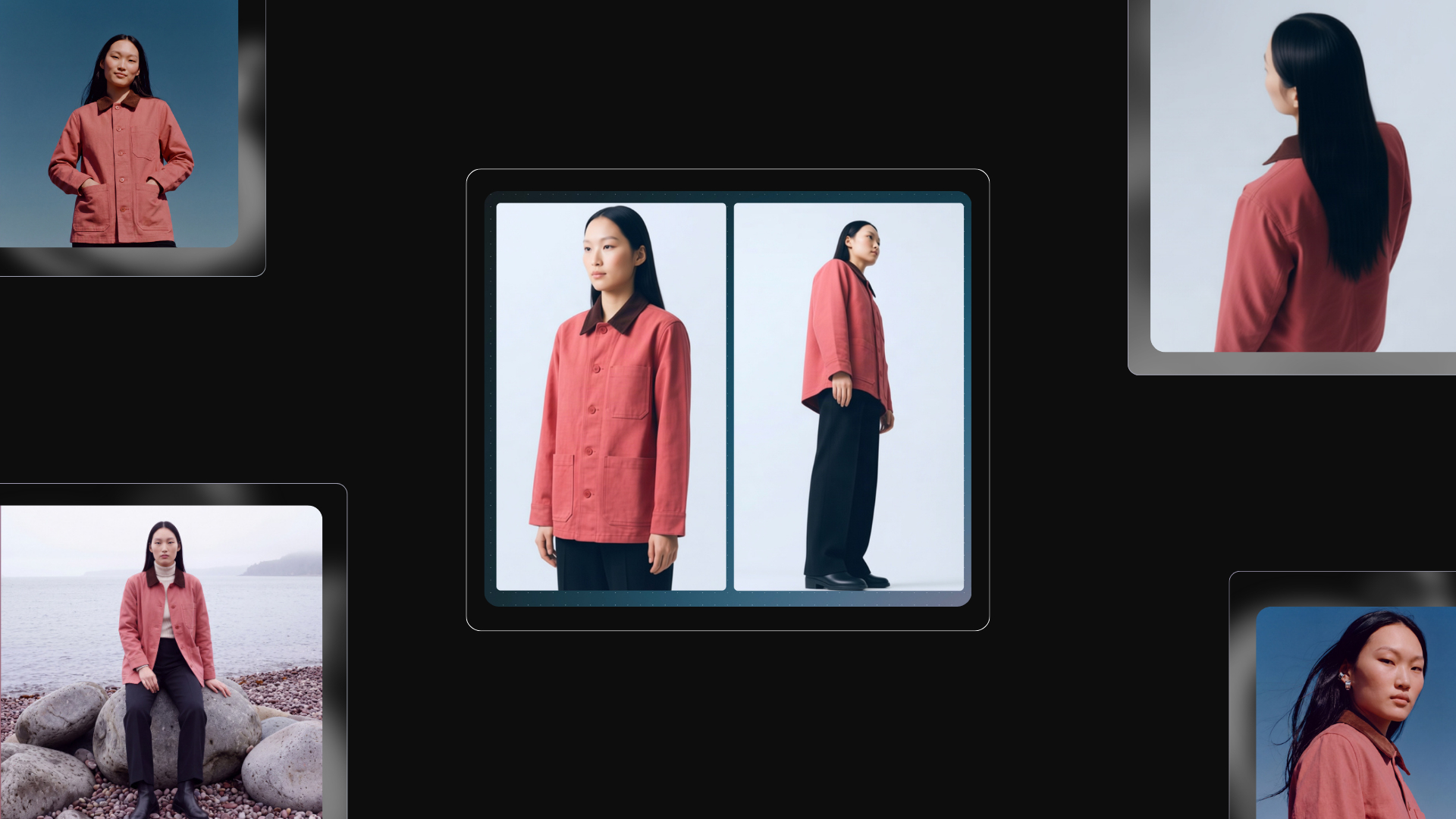
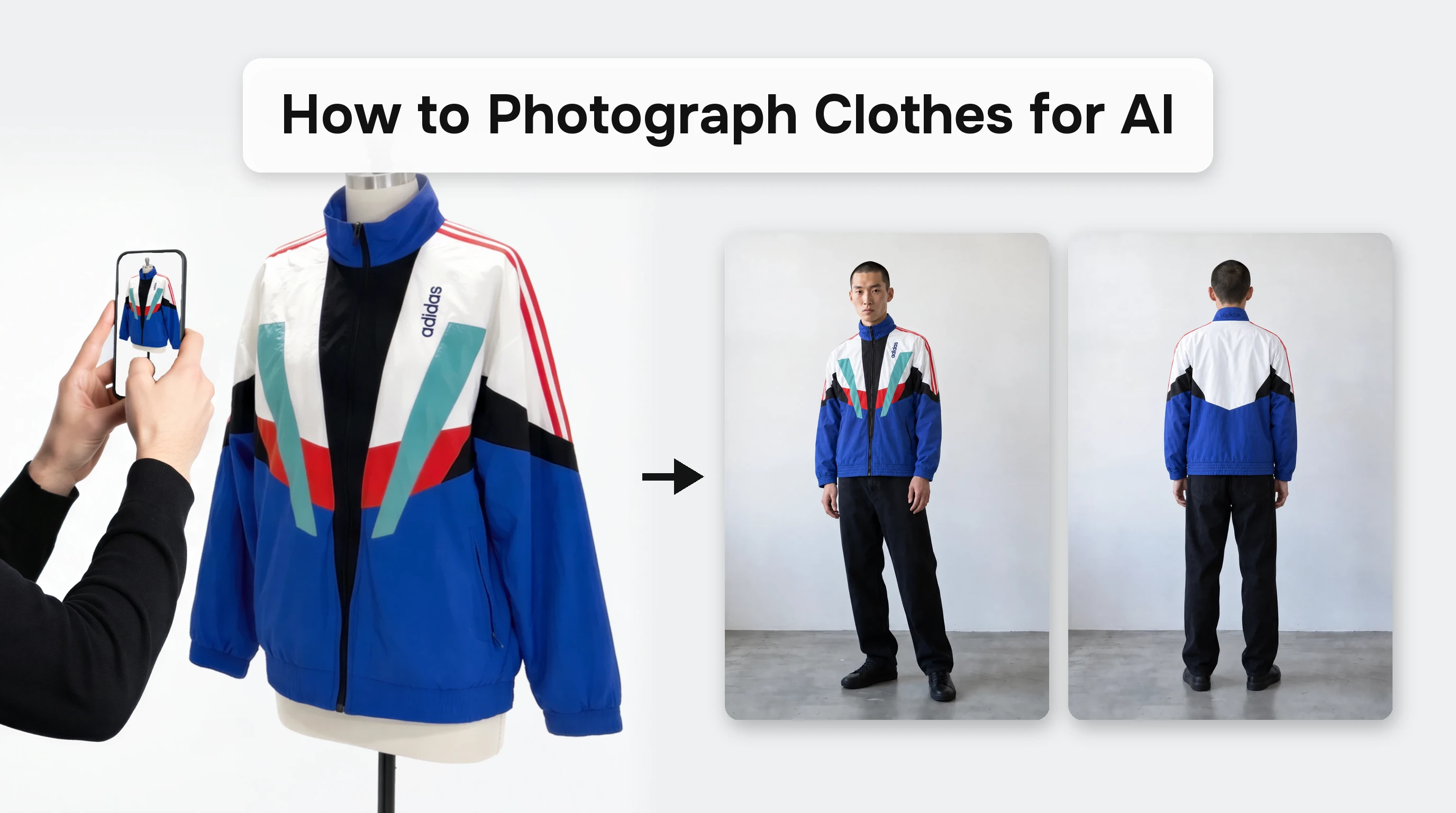
Creating fashion photography is now widely considered a problem that AI has effectively solved. But turning that image into an actual garment remains a challenge of an entirely different order, according to a new assessment.
Fashion industry trade outlet The Interline released the results of its annual survey, 'AI Report 2026,' on its own podcast. According to host Ben Hanson, industry professionals rated AI as most mature at the early stage of the product journey, namely creative ideation and image generation. They also rated the later stages, content production, marketing, e-commerce, and communications, as highly mature. By contrast, the middle stretch, spanning technical design, patternmaking, sourcing, and production, was named the least mature area for AI. In other words, a substantial gap still exists between making a single image look convincing and turning that image into a garment that can actually be cut and sewn.
This gap raises an identity question for companies building image-centric generative AI tools. They now face a fork in the road where they must define themselves: are they a design tool, a product lifecycle management (PLM) tool, a marketing platform, or a digital asset management (DAM) solution? The episode noted that it introduces an attempt by one AI creative platform to address all of these areas at once, while also releasing an accompanying essay, 'Arm's Length AI,' and a summary toolkit for AI agents.