AI Trained on Photos He Took Himself, Not the Internet
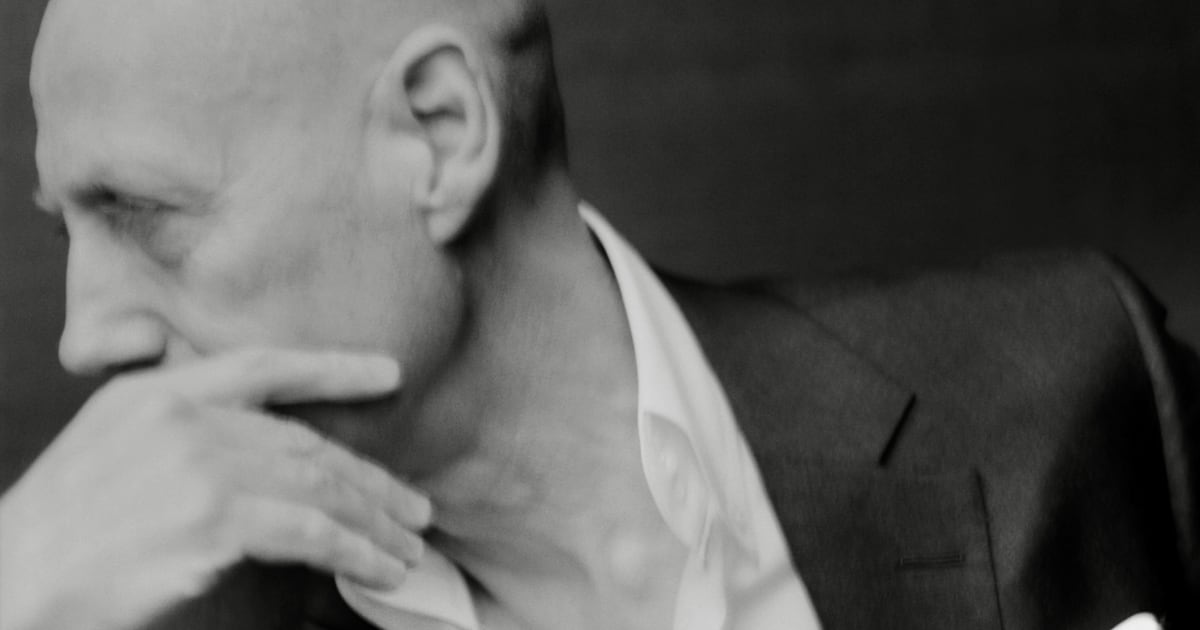
Instead of indiscriminately training AI on internet images, one creator trains it using images he shoots himself. SHOWstudio founder Nick Knight is building his own dataset by repeatedly photographing models and clothing directly. Rather than leaving the volume of data to the open internet, he controls which models and which clothes become training material. In effect, the creator controls the starting point of the AI's output.
What he is aiming for is not a tool that plausibly replicates existing photographs. Knight turns still images into moving images, experimenting with a new image medium that sits between photography and film. This is also why he believes AI images should not become direct copies of existing work. His argument is that the novelty of generative technology should be found not in remaking someone else's output, but in an expressive approach that extends photography into movement.
In this experiment, data and rights are not separated. Knight emphasizes that fashion models themselves should hold the rights to their digital likeness, meaning the digital portrait by which their face and body can be identified. Who is being used to train the images, what those images are turned into, and who holds the rights to that outcome are, in his view, the core conditions of AI production.
Source · The Business of Fashion, "Nick Knight Is Building His Own AI"
How a 60-Person Studio Uses AI

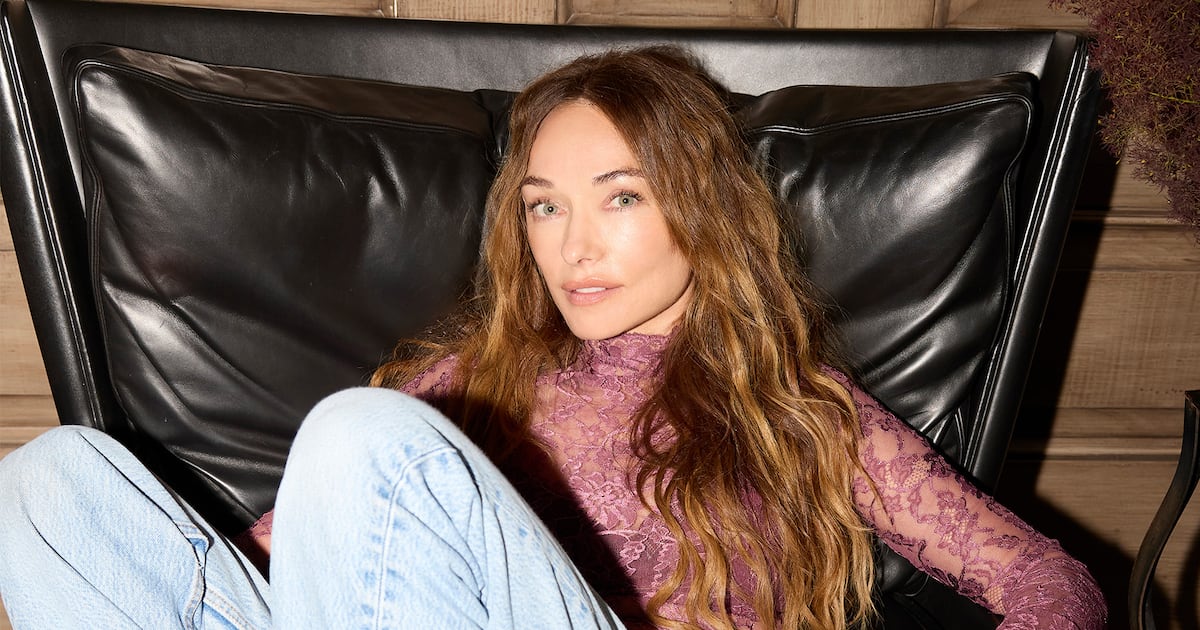
Kelly Wearstler, who runs a studio of 60 people, does not set AI apart as some separate technology of the future. She uses AI in image and design work, placing the tool within a studio practice that has expanded into interiors, architecture, licensing, creative direction, galleries, and newsletters. It is an approach that treats AI not as a substitute for design judgment but as one tool within a production process spanning multiple disciplines.
Wearstler's design sensibility grew out of thrift stores, flea markets, and auctions she visited with her family as a child. The eye she developed by directly observing color, typography, and furniture carries through into her work today. For her, fashion and interiors are therefore not separate industries but a single continuous thread of self-expression. Even when she uses AI, the standard for judgment remains rooted in accumulated observation and choice, not in the tool itself.
Her collaboration with H&M Home is an example of bringing this sensibility to the mass market. Through a 29-piece collection spanning fashion and home, she shows that design and quality can be achieved even at mass-market scale. Here, AI's role is not that it increased the number of pieces in the collection. What matters is that AI entered a studio practice that extends a long-cultivated sensibility across multiple media and products.
Source · The Business of Fashion, "Kelly Wearstler on What Waiting Tables Taught Her About Design"
Clearance: Checking Generated Images Before Publication
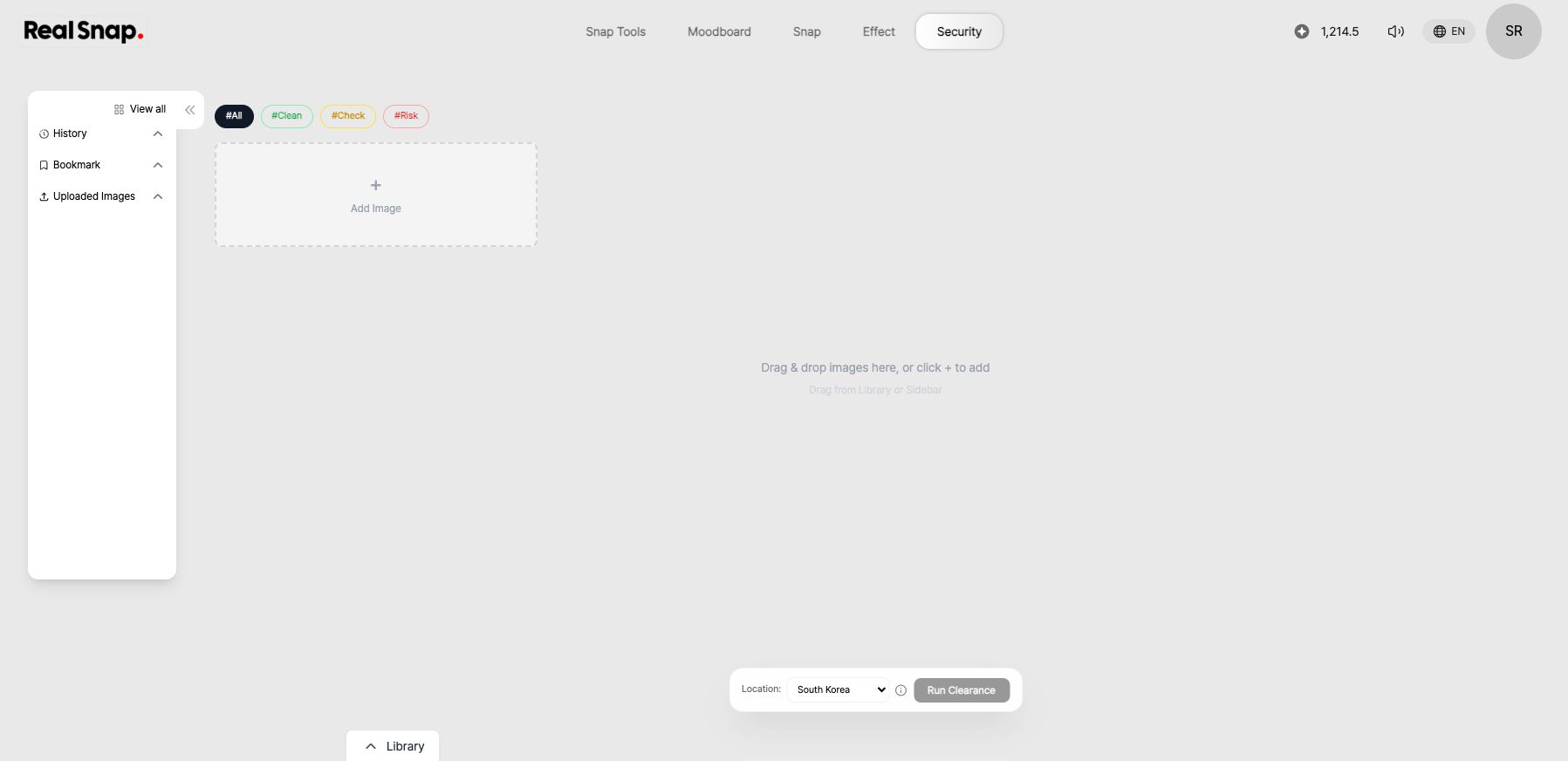
RealSnap's Clearance feature checks similarity risk signals against existing images before publishing generated images. It can save product-detail-shot managers and brand marketers the trouble of separately gathering items to inspect and checking scattered search results.
It is especially suited to small brand teams and solo sellers who produce frequent image versions, since the check results allow pre-publication review and revision decisions to be made separately based on the findings.
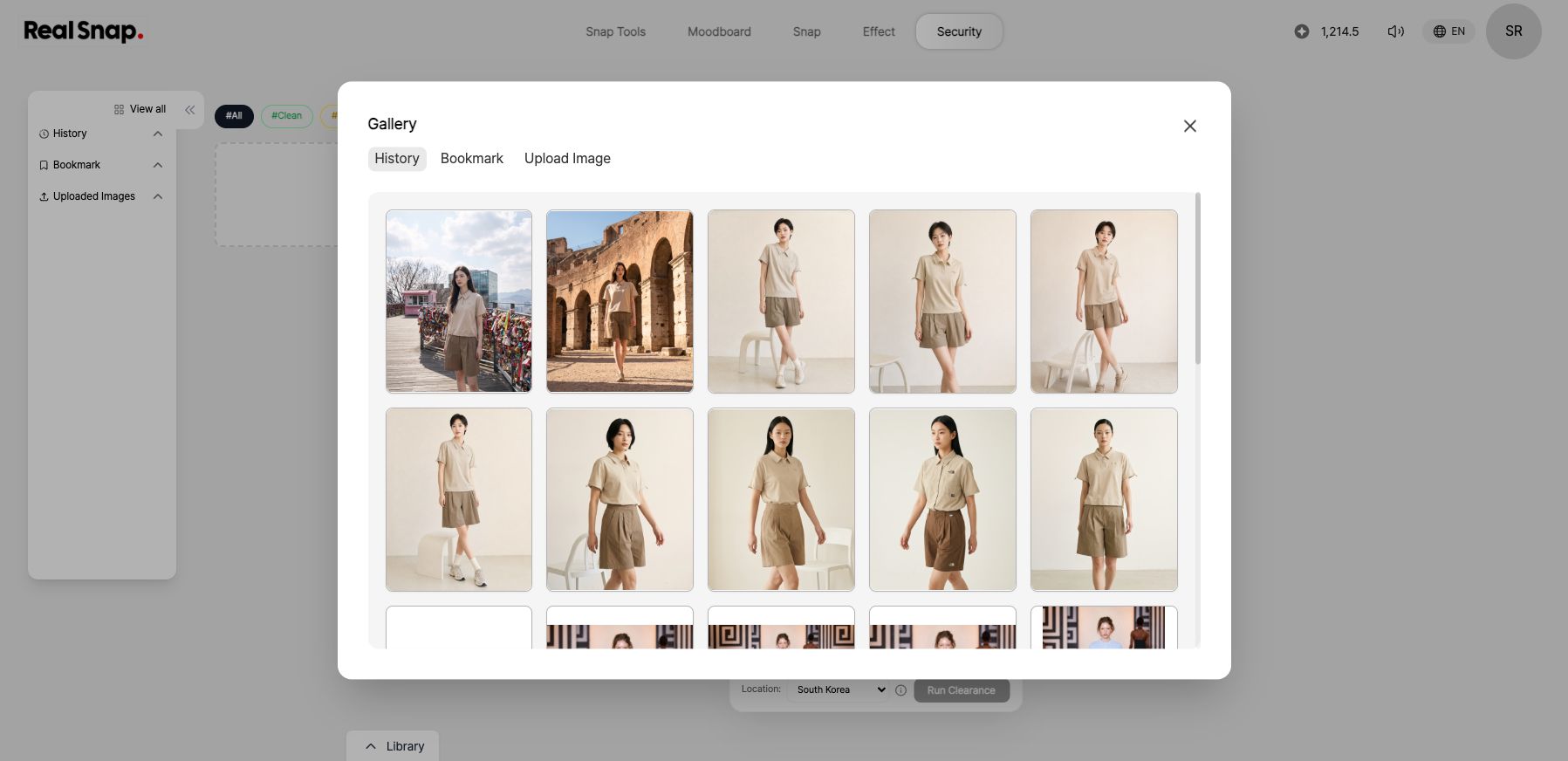
You can pick images to inspect directly from your work results, easing the burden of hunting down and collecting separate files. It's also well suited for connecting multiple candidates into a pre-publication review flow.
Since similarity check results can be viewed by status, it's easy to flag images that need further review. This feature does not substitute for legal judgment, so any area showing a risk signal should be separately reviewed for whether edits are needed.
RealSnap Clearance is not a feature that guarantees legal safety or non-infringement of copyright; it is a supporting tool for checking similarity risk signals before exporting AI images. Small teams may want to start by putting finished candidates through Clearance and reviewing whether to revise items flagged as Check or Risk.