“Skeleton in the closet” refers to a past, mistake, or secret that someone does not want others to know about. As long as the closet door remains closed, it may seem as though nothing is happening. The problem is that whatever lies behind the door does not disappear. Everyone has something they would rather not show others. It may be a minor mistake, something that can no longer be undone, or a fact they believe they alone should know. “Skeleton in the closet” refers to those hidden secrets and past experiences. But what matters in this story is not what is inside the closet. It is closer to what happens to the person who lives while keeping it hidden. The events taking place in these images are realistic, yet somehow abnormal. Someone spills an enormous amount of coffee and cannot bring themselves to clean it up. A bedroom catches fire, but instead of putting it out, they simply stare at it. There are so many breakable objects underfoot that even walking properly becomes difficult. They know something needs to be done, but cannot act. The figures are suspended between the feeling that what has happened cannot be undone and the knowledge that no one knows yet.
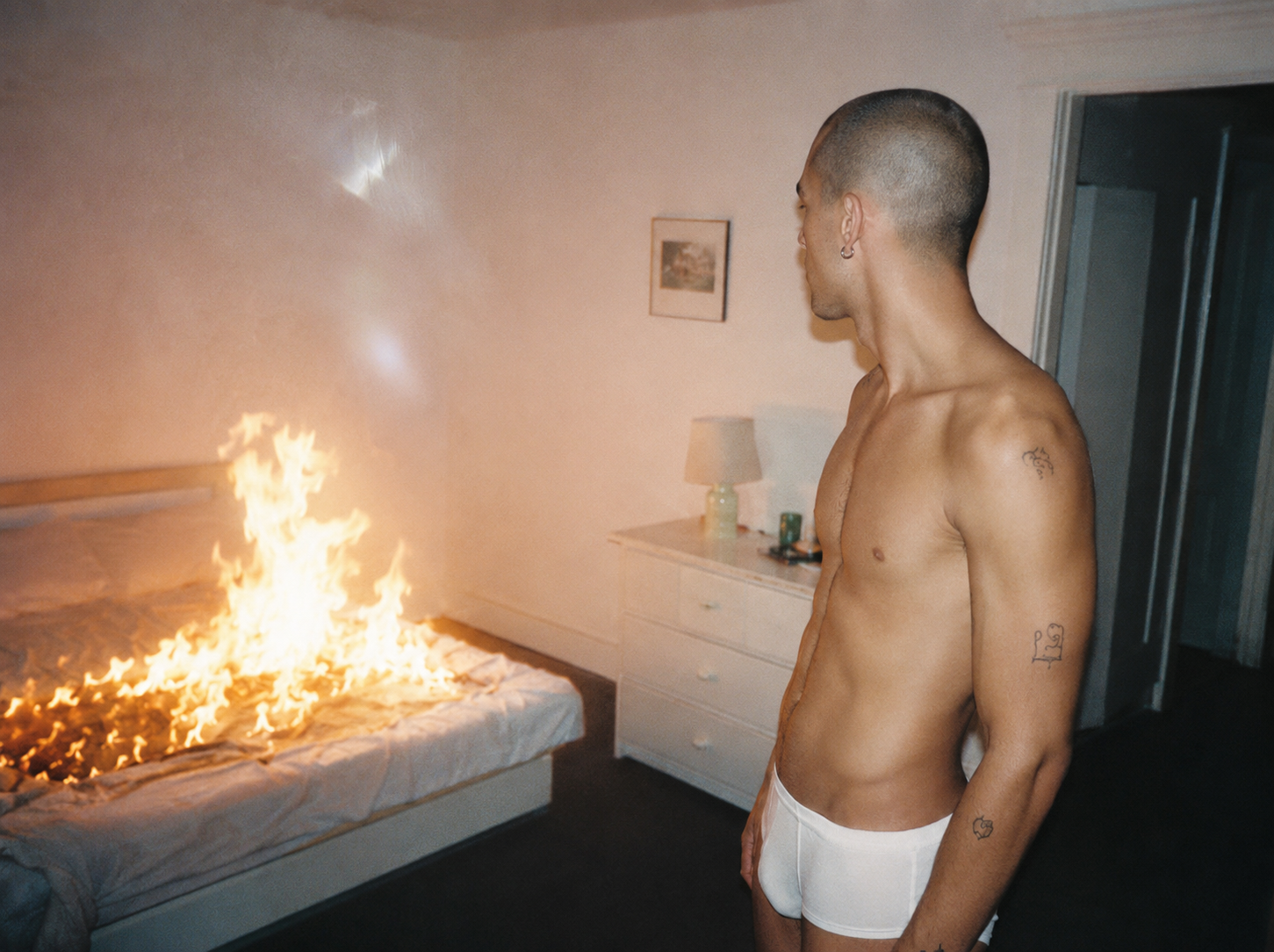
The events taking place in these images are realistic, yet somehow abnormal. Someone spills an enormous amount of coffee and cannot bring themselves to clean it up. A bedroom catches fire, but instead of putting it out, they simply stare at it. There are so many breakable objects underfoot that even walking properly becomes difficult. They know something needs to be done, but cannot act. The figures are suspended between the feeling that what has happened cannot be undone and the knowledge that no one knows yet.
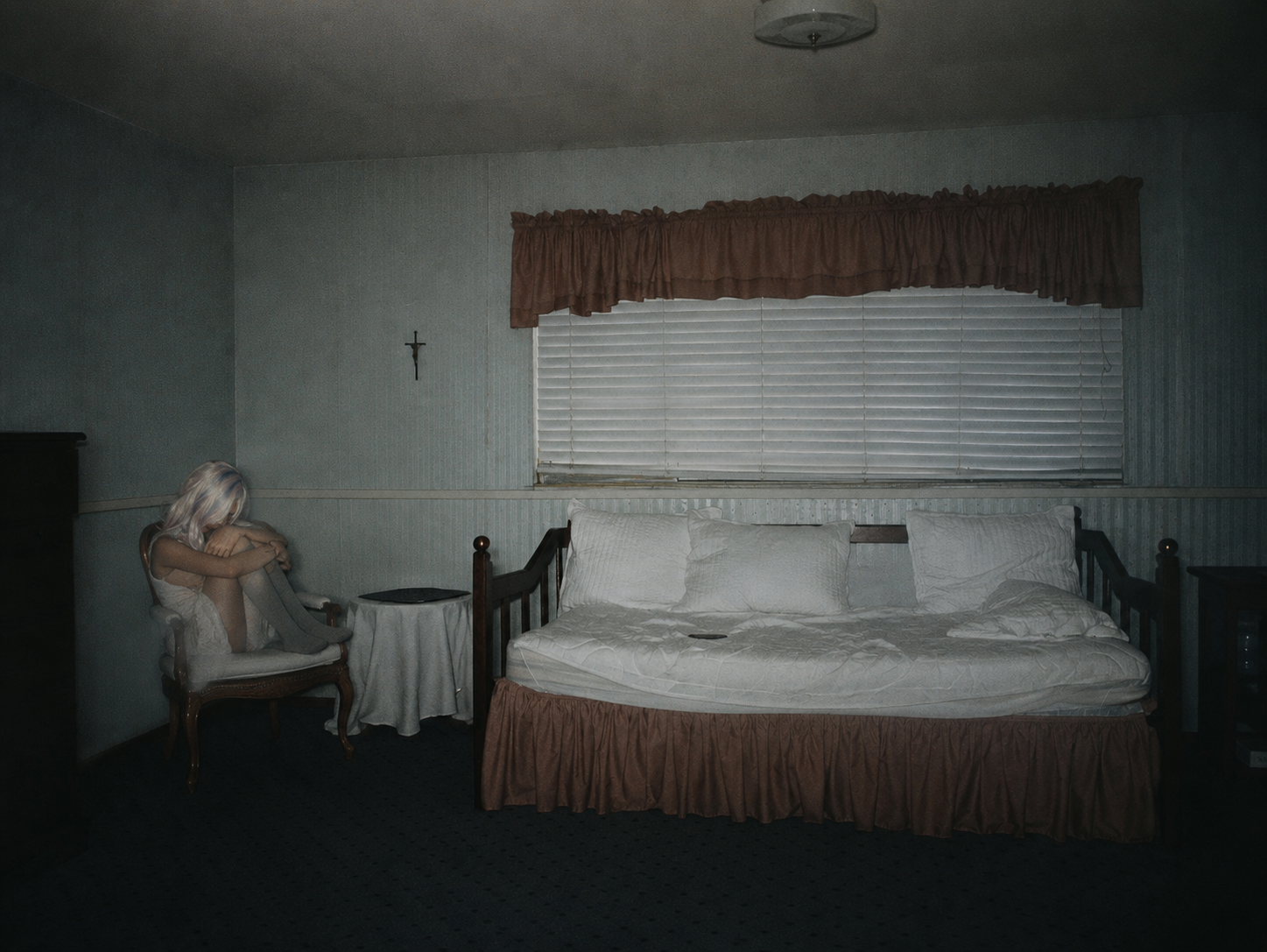
At first, these defenses may be deliberate, but over time they can harden into habits embedded in the body. The shoulders and neck tense without conscious awareness; the hands remain clenched around something and are slow to relax; the head turns at the slightest sound. Even while sitting comfortably, part of the body remains on alert, never entirely free from the possibility of being found out—even when alone. Hiding a secret ultimately becomes not an action confined to particular moments, but a state of vigilance that persists throughout everyday life.
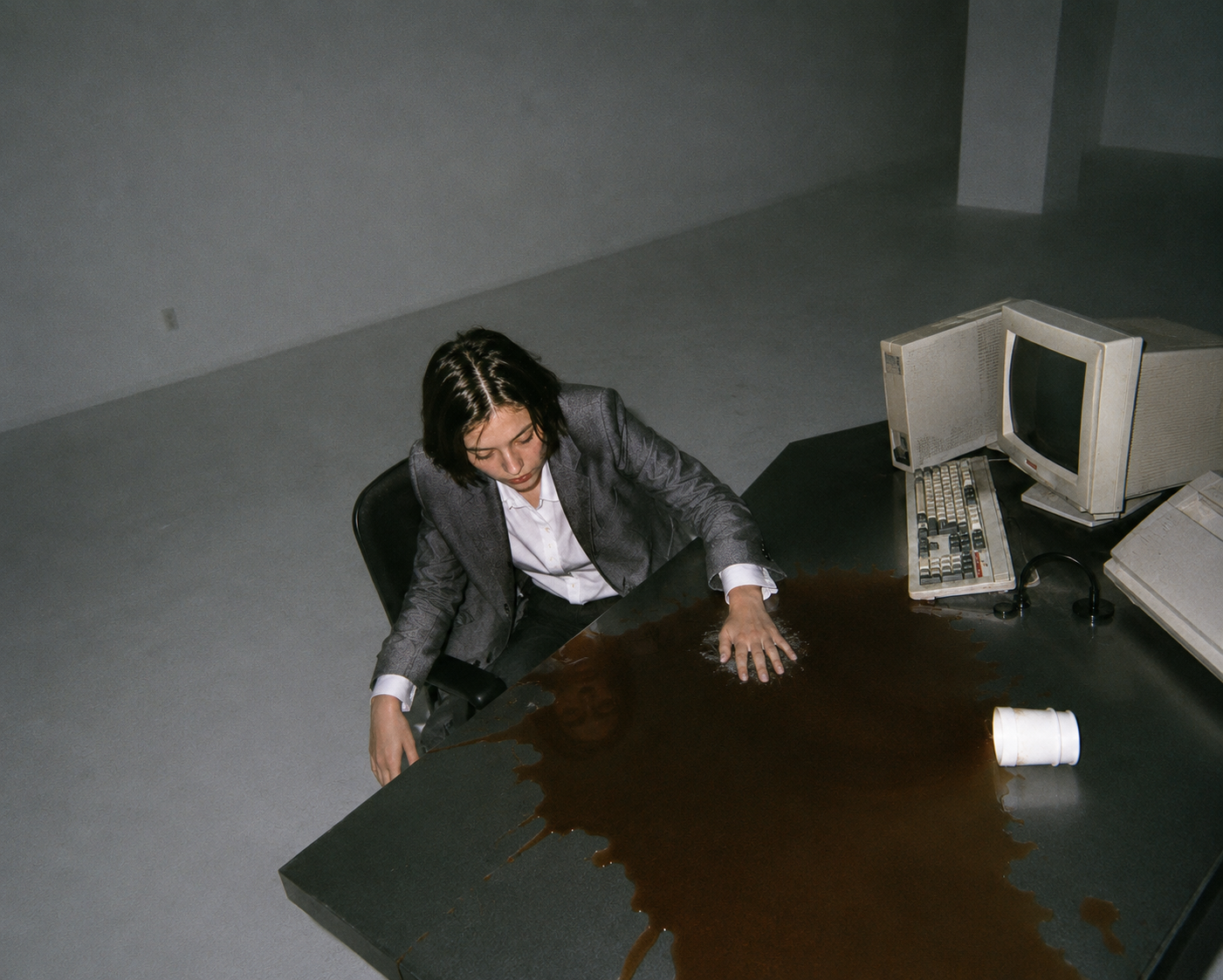
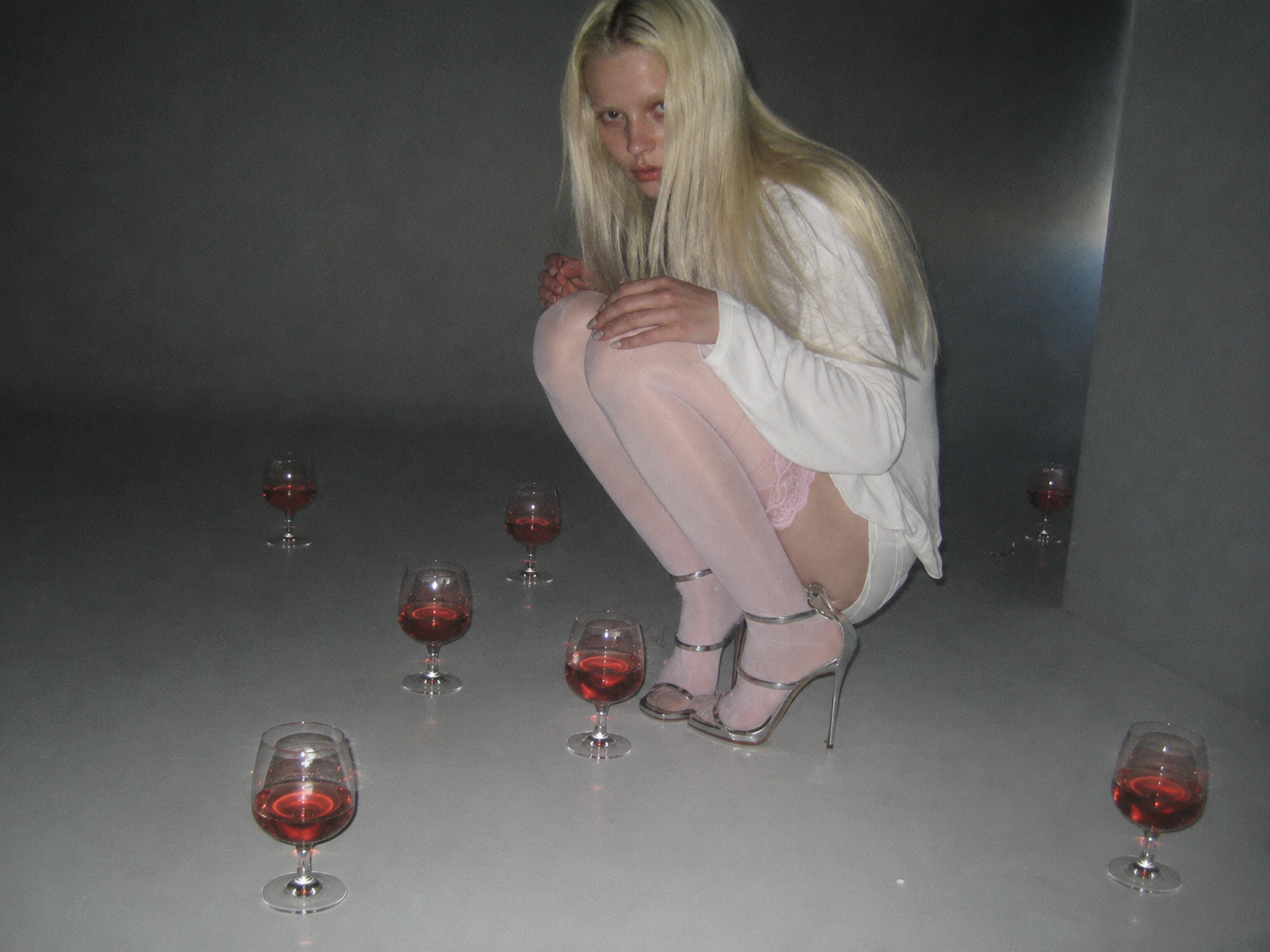
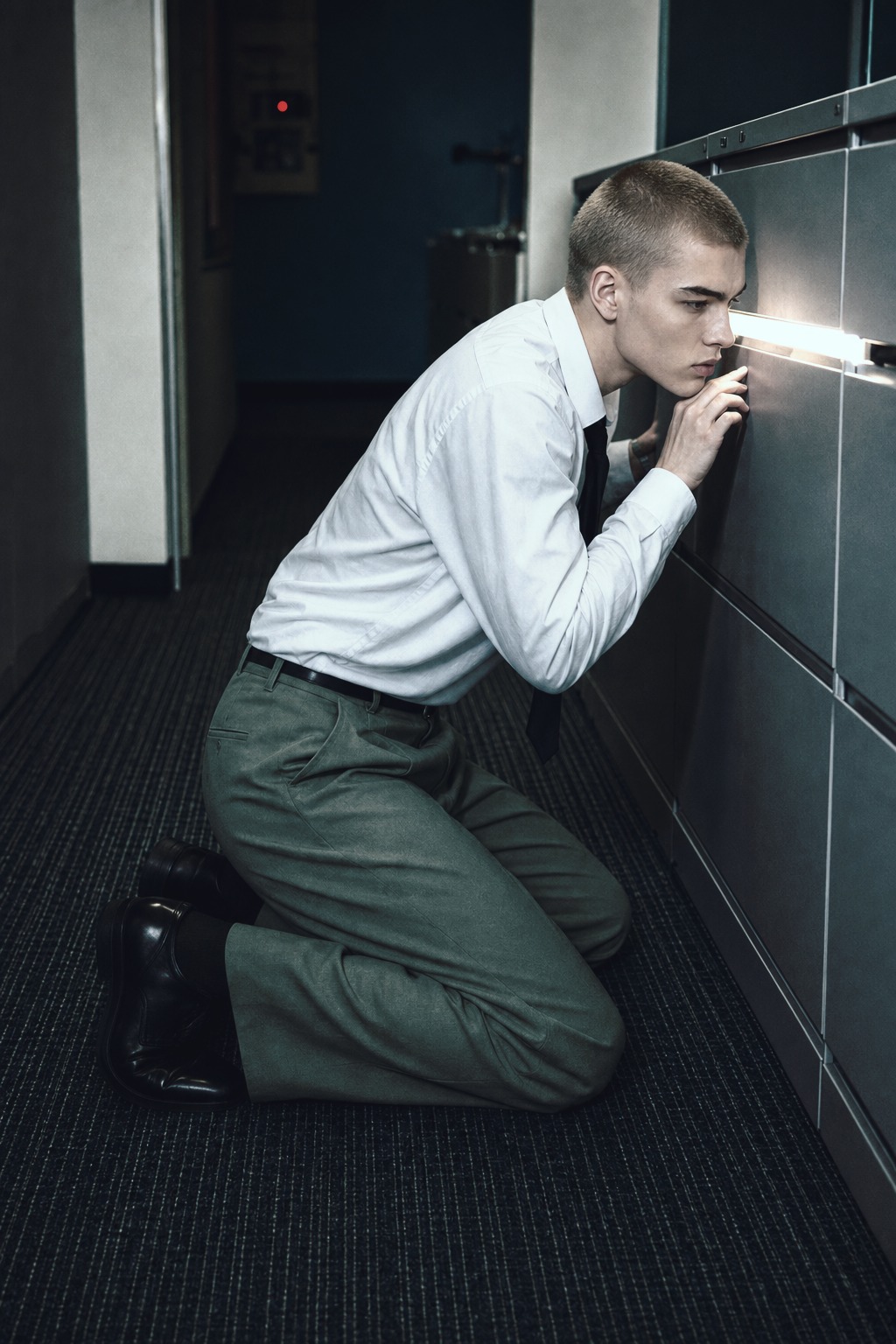
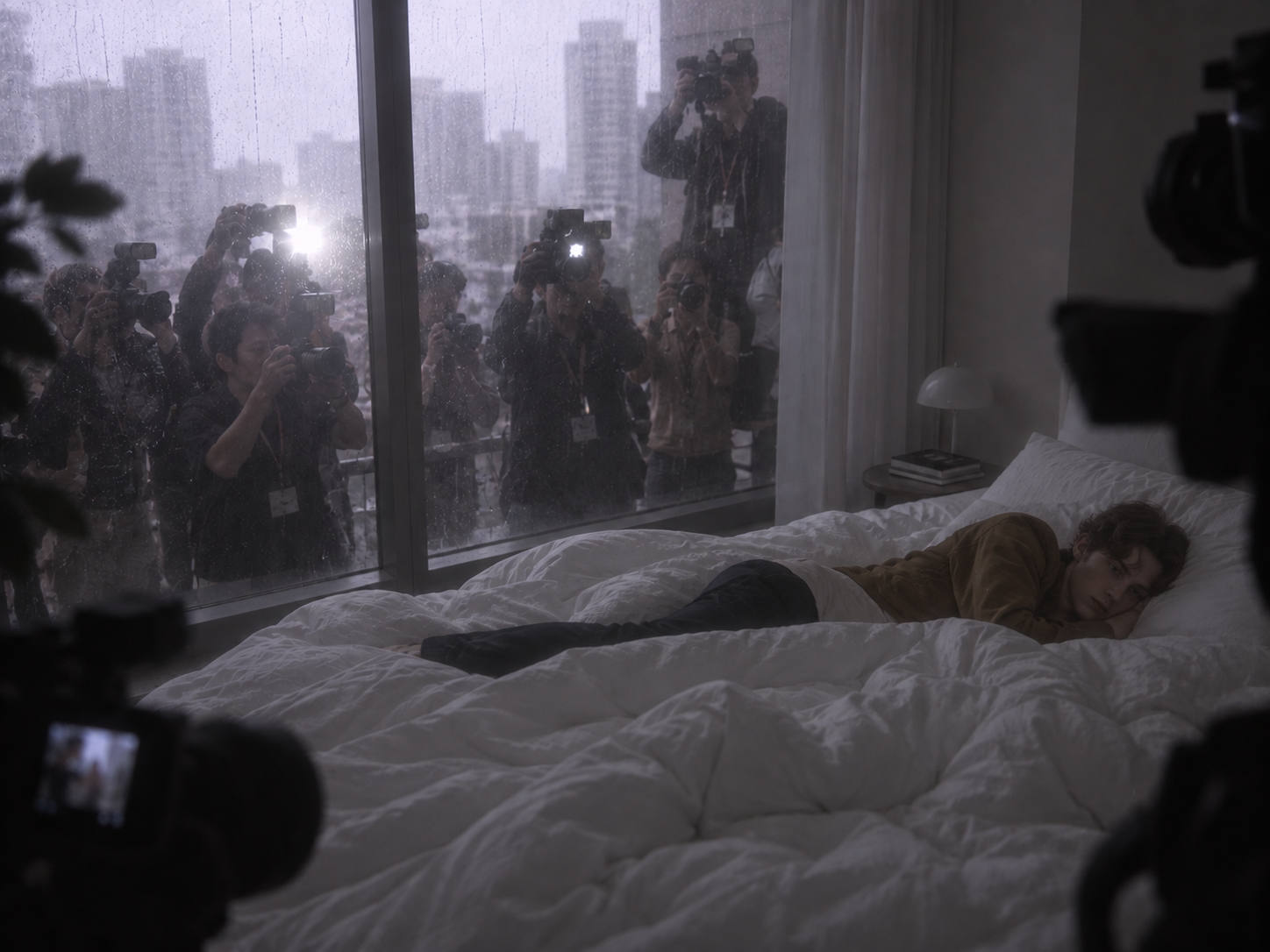
Knowing something no one else knows requires more energy than one might expect. Even when they are not actively doing anything to conceal a secret, people constantly check what they have said and left unsaid, how much the other person knows, and whether their behavior looks out of the ordinary. This vigilance does not remain merely a conscious thought; it becomes a habit of the body. The shoulders and neck tense, the hands remain clenched around something and are slow to relax, and the head turns at the slightest sound. Even while sitting comfortably, part of the body remains tense, and even moments alone do not feel entirely solitary.
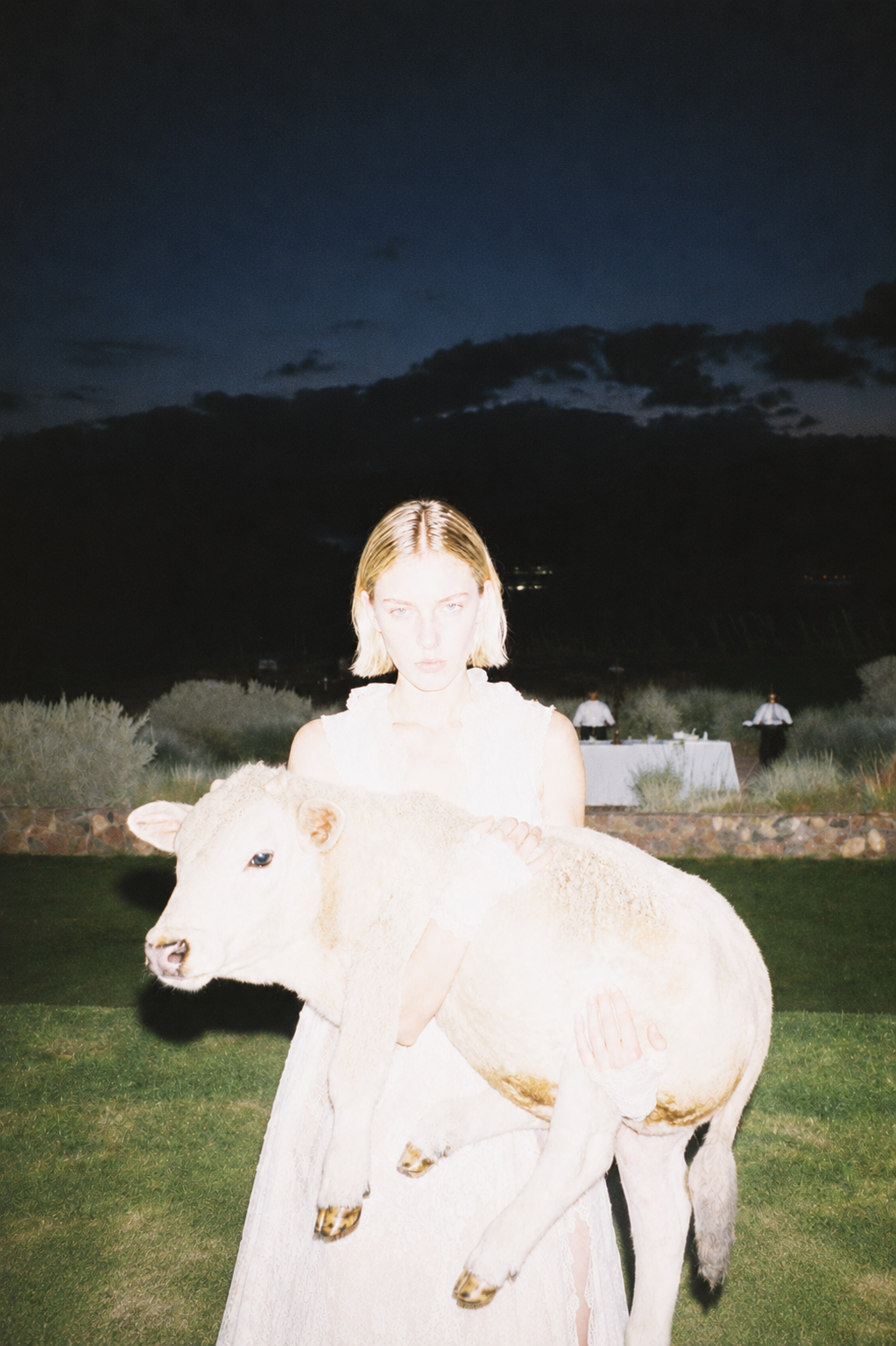
This series translates that invisible psychological state into physical situations unfolding in everyday spaces. Anxiety appears as coffee spilling beyond anyone’s ability to contain it; guilt, as the inability to do anything in front of a room engulfed in flames; tension, as a body unable to find a place to step in a space filled with glassware. Rather than actively revealing their emotions, the figures try to continue behaving as they normally would within situations that have already unfolded. But unlike their attempts to act as though nothing is wrong, the objects and spaces around them increasingly expose the state they are trying to hide. The secret itself is never revealed, but the tension and burden expended to maintain it remain throughout the images.