In vanitas paintings, withered blossoms, rotting fruit, and extinguished candles served as reminders that human life, beauty, wealth, and pleasure are fleeting. Even the most exquisite and cherished things eventually succumb to time, with decay functioning as a symbolic emblem of mortality and transience. When mold blooms across once-luscious fruit, when foods discolor and forms melt away, we instinctively judge them as no longer beautiful. Yet their altered surfaces reveal colors, textures, and silhouettes that never existed before. This project approaches decay not merely as the demise of beauty, but as a generative process—one that calls into question the very standards by which we categorize something as alluring or repellent. In this issue, we detach these natural material transformations from conventional symbolism, reinterpreting them as events that actively reshape aesthetic value.


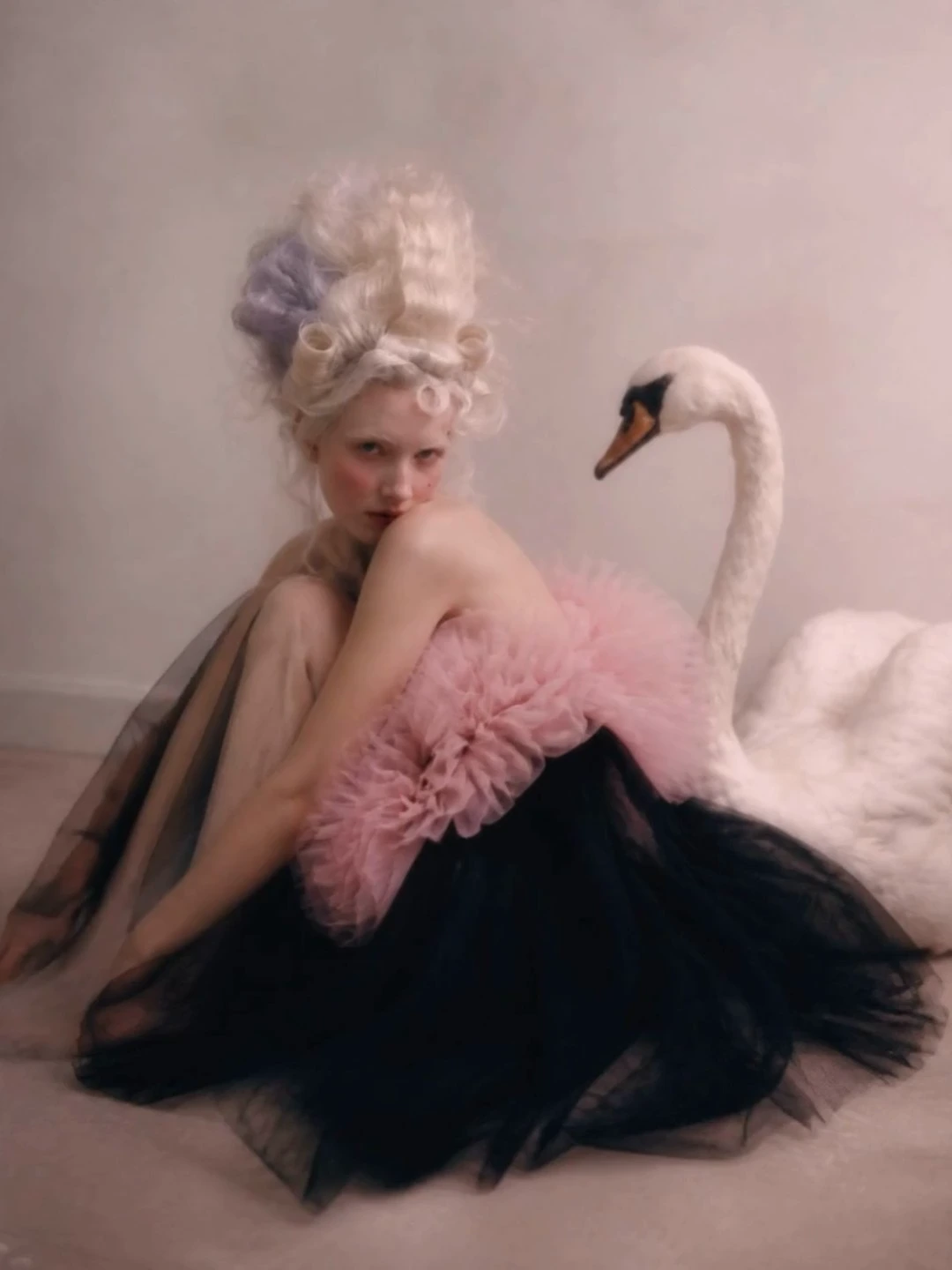
Look closely at a spoiled apple, and an unforeseen landscape unfolds: shifting hues, irregular patterns, and intricate surfaces. While these changes are entirely natural physical progressions, they deviate from the idealized state we demand of fruit. We tend to define beauty by peak freshness and flawless skin, deciding an apple loses all worth the moment it departs from perfection. Yet physical change over time is simply matter in motion; how we evaluate the aesthetics of that altered surface is another question entirely. Food and fashion share an instinct for ornamentation. Cream whipped in sumptuous tiers over a cake echoes the cascades of a ruffled gown, while garnishes and miniature fruits adorn a dessert much like beads and embroidery enrich a garment. Soft hues, repetitive motifs, and billowing forms are employed in both worlds to articulate opulence and abundance. This editorial leans into those parallels to dissolve the boundary between cuisine and couture. Colors and silhouettes inspired by decomposing food find their way onto garments, while lavishly appointed tables and models are composed into a unified still life. Objects designed for entirely different purposes converge to share an uncanny visual dialogue.


Matter transformed by time—acquiring novel surface textures and colors—serves as the central motif of this fashion issue. Irregular patterns, changing hues, melting silhouettes, and varied surfaces born from decay are translated into sartorial fabrics, cuts, and ornamental details. Patterns reminiscent of spreading mold overlay shimmering sequins, while dripped cream and melting wax manifest in sculpted, voluminous gowns and trailing accents. Stains and discolorations are no longer flaws to be scrubbed away, but deliberate design elements that construct each look.


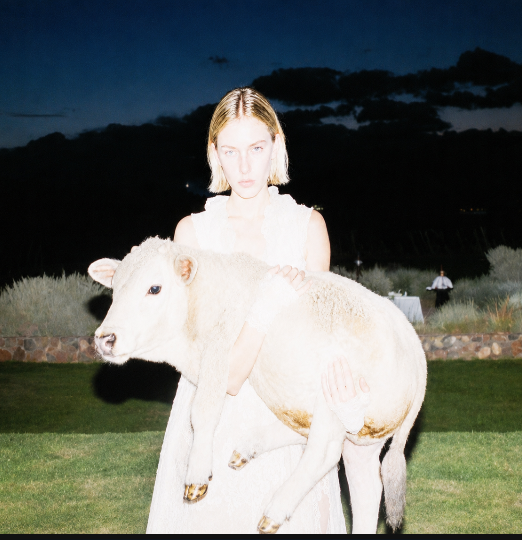
These ensembles are staged within the compositions and lighting of classical paintings. Palettes evocative of aged oil masterpieces, composed still poses, meticulously set banquets, and ornate interiors adopt the formal vocabulary of traditional beauty. Yet the figures and objects inhabiting this world refuse to stay pristine. Inedible fare sits upon fine china, stains linger across sumptuous gowns, and towering decorative tapers slowly melt away. While the framework of classical painting remains, the textures and materials that occupy it break away from conventional decorum.






NOT FOR CONSUMPTIONtranslates the colors, forms, and textures discovered through food's decay and transformation into fashion. Patterns resembling mold, stained textiles, and melting embellishments form fresh juxtapositions within classical silhouettes and painterly interiors. The very marks we instinctively hide in daily life take center stage here. While spoiled food will never regain its edible value, our way of seeing it need not be so rigid. This issue is an exploration in channeling the visual phenomena of transformation into dress and imagery. Long after the moment of pristine perfection has slipped away, new forms and textures continue to emerge across a surface. Tracing these marks of metamorphosis, we gently broaden the boundaries of what we have long called beautiful.